
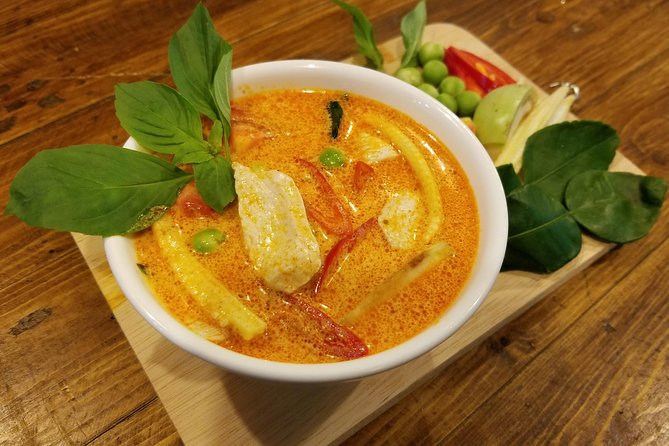
Review · THAI COOKING CLASSES
Tingly Thai Cooking School Afternoon Class
Four dishes, one serious curry lesson. The Tingly Thai Cooking School afternoon class is a practical, hands-on way to learn real Thai technique, not just read recipes on your phone. You start with core skills like making curry paste from scratch, then you cook and eat what you make by the end.
Two things I’d put at the top: you get instructor-led, hands-on cooking (with lots of explanation around ingredients and methods), and the class is small, max 10 travelers, so it stays focused instead of chaotic. One thing to consider: this specific session is listed as excluding the market tour, so ingredient sourcing and roaming time may be lighter than other class formats.
In This Review
- Key Highlights to Know Before You Go
- Tingly Thai Cooking School in Bangkok: small group, big appetite
- What the Afternoon Class Covers (Market Tour Is Excluded)
- Curry Paste From Scratch: the technique behind Thai flavor
- Skills Beyond Cooking: storing and Thai “in-the-moment” know-how
- The End-of-Class Meal: four courses, zero hunger pangs
- Teachers Like Soung, Chan, Chun, and Nam: why the class feels fun and clear
- Price and Value: what $40.47 really buys you in Bangkok
- Timing and Meeting Point: plan your Silom afternoon
- Who Should Book This Thai Cooking Class (and who might skip it)
- Should You Book the Tingly Thai Cooking School Afternoon Class?
- FAQ
- FAQ
- How long is the Tingly Thai Cooking School afternoon class?
- Does this class include a market tour?
- How many people are in the group?
- What will I cook and eat?
- Where do I meet for the class?
- Do I get a mobile ticket?
- What happens if the weather is poor?
Key Highlights to Know Before You Go
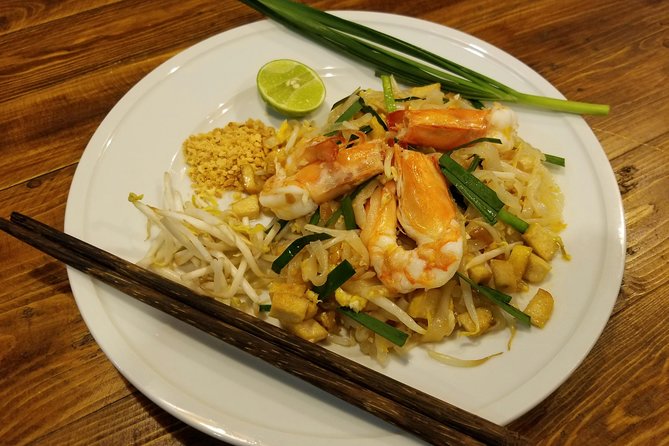
- Curry paste from scratch: you learn the process behind Thai flavor
- Small group size (10 max): more attention, less waiting around
- You eat your work: no awkward “snack at the end” situation
- Practical tips for cooking and storage: guidance you can use after you get home
- Big “come hungry” energy: the meal is substantial, and people often take food away
Tingly Thai Cooking School in Bangkok: small group, big appetite
If your Bangkok plan includes good food plus something you can repeat later, this cooking class fits nicely. The afternoon format runs about 3 hours 30 minutes, giving you enough time to actually cook (not just watch) and still finish with a full meal.
The school caps groups at 10 people, which matters more than it sounds. In Thai cooking, timing and texture are everything—paste consistency, herb handling, simmer control—so a smaller group means fewer missed instructions and less time waiting for tools or attention. In many cooking classes, you end up waiting while someone else stirs. Here, the setup is built around you doing the work.
One more reason this class works well in Bangkok: it’s positioned as a straightforward, food-first activity near public transportation. That means it’s easier to slot into your day without turning the cooking class into a whole logistical project.
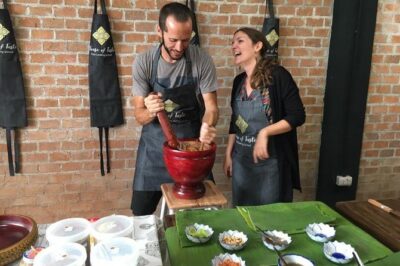
Aprons on for another Thai kitchen
- Bangkok: Hands-on Thai Cooking Class and Market Tour
★ 4.9 · 1,614 reviews - Bangkok: Tingly Thai Cooking School Half-Day Cooking Class
★ 4.9 · 1,191 reviews - Bangkok: Maliwan Thai Cooking Class with Market Tour
★ 4.9 · 1,133 reviews
What the Afternoon Class Covers (Market Tour Is Excluded)
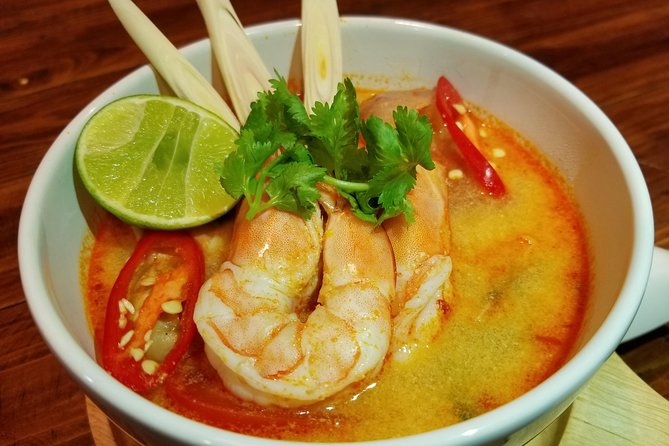
This afternoon session is scheduled for about 1:00 pm to 5:00 pm. The listing specifically notes that this class is the afternoon block and that the market tour is excluded.
Here’s how to think about that: even though the school’s broader approach includes learning about ingredient sourcing (including markets), this exact afternoon session is focused on the kitchen lesson itself. So if you’re hoping for a morning walk through Bangkok’s markets to spot ingredients in the wild, you’ll want to plan on a different format or accept that this one is more kitchen-centric.
Still, the upside is that you get straight to cooking. You won’t waste half the time on logistics and shopping. Instead, you’ll spend the core hours learning what you need to recreate Thai dishes at home: the how, the why, and the little adjustments that make Thai food taste Thai.
Curry Paste From Scratch: the technique behind Thai flavor
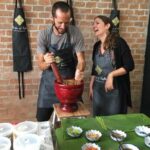
Making curry paste from scratch is one of the biggest selling points here, and it’s also where Thai cooking stops being “just follow a recipe.” Curry paste isn’t a single ingredient—it’s a blend that depends on grinding, balancing, and getting the right texture.
In this class, you’re taught to make dishes from scratch, including curry paste. That’s not just a fun kitchen challenge. It’s the shortcut to understanding Thai flavor as a system: aromatics, chilies, garlic, and spices work together, and the paste step is where the balance gets set.
You’ll also get tips that go beyond recipe cards—things like technique guidance and what to expect when your paste looks or smells a certain way. The goal is to help you reduce guesswork later. At home, you can find curry paste in jars, but when you understand the process, you can adjust it to your pan, your ingredients, and your taste.
If you enjoy learning how flavor is built (not just what the final dish should be), this is the heart of the experience.
Skills Beyond Cooking: storing and Thai “in-the-moment” know-how
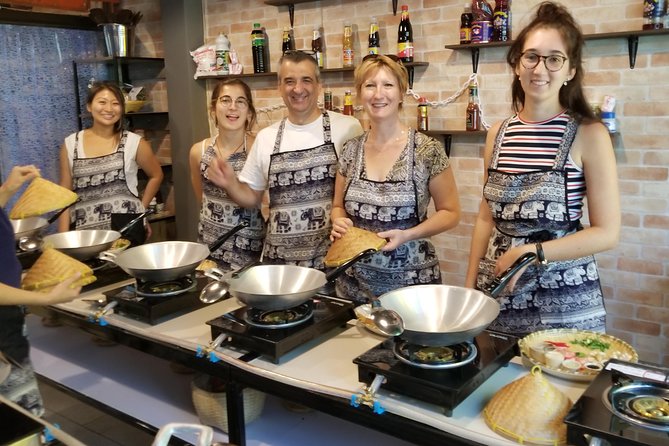
A lot of classes teach cooking steps. Fewer teach what to do after. This one includes methods for properly storing Thai dishes and other practical tips you wouldn’t usually see in a basic recipe.
Why that matters: Thai cooking often involves components that keep differently—pastes, sauces, herbs, and cooked dishes each behave a bit differently. If you’ve ever made a curry once and then struggled to reheat it later, you know the pain: texture changes, flavors fade, and the dish stops tasting like the day you cooked it.
The storage guidance is part of the class’s “real life” focus. It’s a small thing, but it can turn your class recipes from a one-time meal into repeatable dinners. You’re not only learning how to cook; you’re learning how to manage leftovers and ingredients so the food stays good.
You’ll also be learning techniques and small shortcuts that make you faster and more accurate. That’s where the class becomes more valuable than a casual cooking demo.
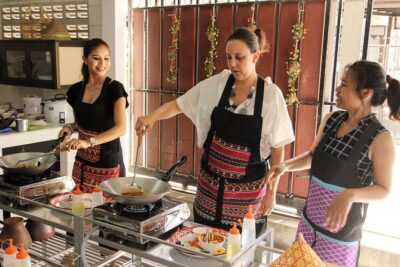
More time at the wok
The End-of-Class Meal: four courses, zero hunger pangs
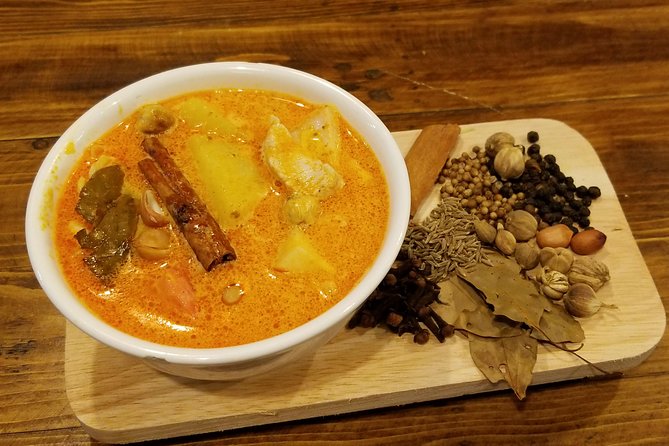
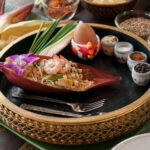
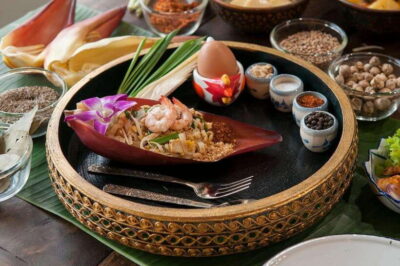
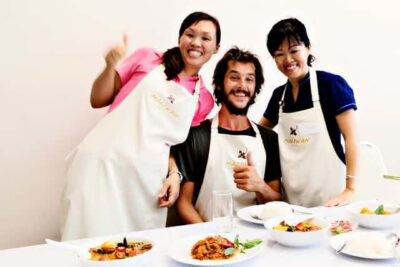
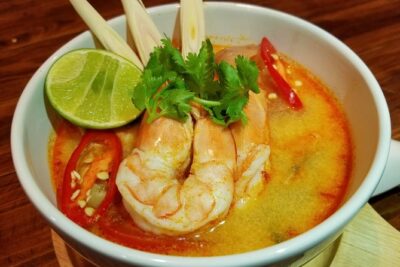
The school is very clear about one thing: you eat what you make. No awkward waiting, no tiny portion. You’ll cook multiple dishes, and then you’ll sit down to enjoy them at the end of class.
In the feedback around this experience, people repeatedly point to a four-course meal and describe it as filling enough that they don’t need food later in the day. That lines up with the promise of no hunger pangs—this is meant to be a full meal, not a snack.
Another smart detail: there are mentions that food can be taken away, which helps if you’re on a full Bangkok itinerary and don’t want to fit another meal later. If you know you’ll have dinner plans or you’re traveling with family, it’s a practical payoff.
Also pay attention to this simple instruction you should take seriously: come hungry. When you’re cooking, you spend time tasting ingredients and following steps. Starting with a normal appetite makes the whole afternoon feel better and avoids that “I’m cooking but starving” stress.
Teachers Like Soung, Chan, Chun, and Nam: why the class feels fun and clear
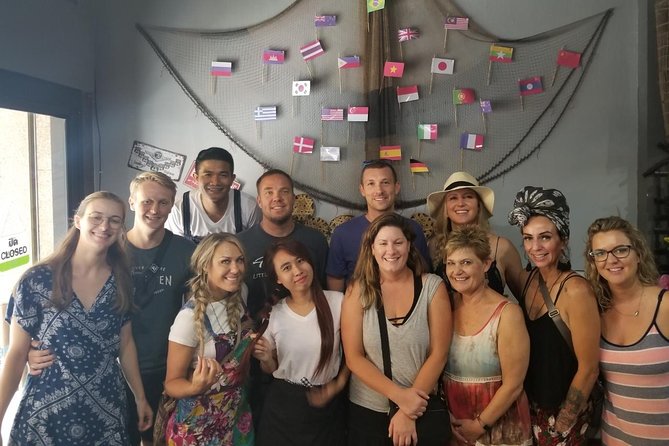
This is the part that repeatedly gets praised: the instructors. Names showing up in the class feedback include Soung, Chan, Chun/Chun, and Nam (along with others). The common thread is energy paired with clarity—teachers who keep it fun while still teaching the actual technique.
Why that matters in a cooking class: Thai cooking isn’t complicated in the sense of “you need advanced skills,” but it is detailed. You need the right guidance on textures and timing. A teacher who explains with personality helps you remember what matters.
You’ll also hear instructors described as upbeat, funny, and educational, with a focus on making the cooking feel manageable. Several comments highlight that the recipe work isn’t difficult, but it still lands as authentic Thai cuisine—exactly what you want if you’re not trying to become a professional chef, just a confident home cook.
If you’re booking for family or a friend group, this is a strong pick. People often mention that the atmosphere works well for mixed ages and mixed cooking comfort levels.
Price and Value: what $40.47 really buys you in Bangkok
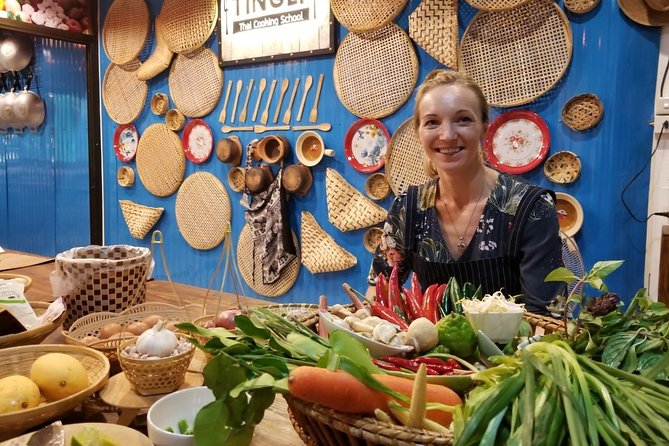
At $40.47 per person, this class sits in the “serious value” range for Bangkok. The price makes more sense when you look at what you’re getting:
- You’re cooking multiple dishes from scratch, including curry paste
- You’re eating a meal at the end (often described as four courses)
- The class is capped at 10 people, which supports real instruction rather than assembly-line cooking
- You get teaching on techniques and storage, which helps beyond the day of class
If you’ve tried to book food experiences in big cities, you know how often you pay for “a class” where you do a little and eat a little. This feels built around full participation and a real meal. And curry paste from scratch isn’t just entertainment—it’s a skill you can use to improve your own Thai cooking for months.
So while $40.47 isn’t free (nothing in Bangkok is), it’s one of those experiences that tends to feel worth it because you leave full and with usable knowledge—not just photos.
Timing and Meeting Point: plan your Silom afternoon
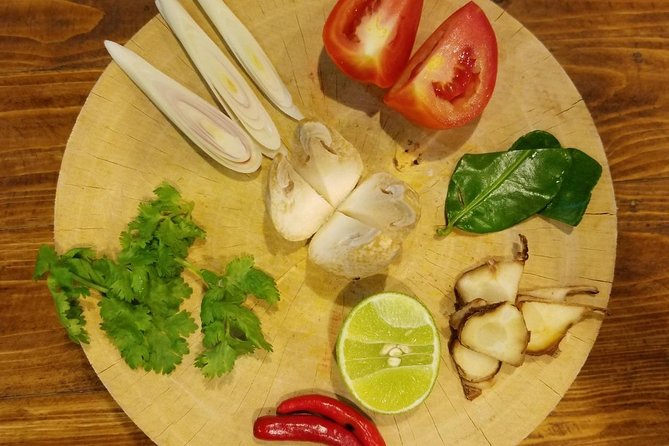
This class meets at 17/1 Soi Silom 22, Suriyawong, Bang Rak, Bangkok 10500. It also notes that the activity ends back at the meeting point.
The afternoon schedule puts you in a good spot for Bangkok timing. You can do a morning activity, then head over for the class without rushing into a morning start. The session runs about 1:00 pm to 5:00 pm, so it naturally finishes before nighttime plans get too intense.
Because it’s near public transportation, I’d plan to arrive with a little buffer so you can settle in, sign in smoothly, and get ready to cook. Cooking classes move fast once they start. If you show up tense and hurried, you’ll miss some of the best explanations.
Also, bring a straightforward mindset: this is hands-on. You’ll likely handle ingredients and do prep steps, so wear something you’re comfortable getting splashed with food while you work.
Who Should Book This Thai Cooking Class (and who might skip it)
This is a good fit if you want real Thai cooking skills without buying a pile of specialty items first. You’ll learn core flavor construction through curry paste and you’ll get technique guidance you can use at home—especially useful if you’ve tried to cook Thai food before and felt like something was always missing.
It’s also a strong choice for:
- Couples and small groups who want a shared activity
- Families looking for a structured, friendly experience
- Solo travelers who want conversation and a task-based setting
You might think twice if your top Bangkok priority is market wandering. Since the market tour is excluded from this afternoon class, you’ll get less of that ingredient-spotting and street-market pacing here and more of the kitchen focus instead.
Should You Book the Tingly Thai Cooking School Afternoon Class?
I think you should book this class if you want an afternoon in Bangkok that’s worth more than a meal. The mix of curry paste from scratch, hands-on instruction, and a full end-of-class meal (often described as four courses) makes the price feel fair. Add the small group size and the consistently praised teacher energy, and it becomes one of the few activities that delivers both fun and lasting skills.
If you want market touring as the main event, you might be happier choosing a different session that includes it. But if your goal is to go home confident with Thai techniques—and leave the class feeling fed and satisfied—this one is a solid bet.
FAQ
FAQ
How long is the Tingly Thai Cooking School afternoon class?
The afternoon class runs for about 3 hours 30 minutes, scheduled from roughly 1:00 pm to 5:00 pm.
Does this class include a market tour?
No. This afternoon class is listed as excluding the market tour.
How many people are in the group?
The class has a maximum of 10 travelers.
What will I cook and eat?
You’ll make Thai dishes from scratch, including curry paste, and you’ll eat the dishes you create at the end of class.
Where do I meet for the class?
The meeting point is 17/1 Soi Silom 22, Suriyawong, Bang Rak, Bangkok 10500, Thailand.
Do I get a mobile ticket?
Yes, the class uses a mobile ticket.
What happens if the weather is poor?
The experience requires good weather. If it’s canceled due to poor weather, you’ll be offered a different date or a full refund.
Learn Another Thai Dish

More Tour Reviews in Bangkok





Cook It Yourself: Thai Classes
Just In: Fresh Bangkok Reviews



Thai Cooking Classes, compared.
 ★ 4.9Hands-on Thai Cooking Class and Market TourFrom $451,614 reviews
 ★ 4.9Tingly Thai Cooking School Half-Day Cooking ClassFrom $411,191 reviews
 ★ 4.9Maliwan Thai Cooking Class with Market TourFrom $401,133 reviews
 ★ 5.0Hands on Thai Cooking Class and Market TourFrom $45660 reviews
 ★ 5.0Tingly Thai Cooking Class with Morning Market TourFrom $42589 reviews
 ★ 5.0Hands-on Thai Cooking Class & Market Tour in SukhumvitFrom $45571 reviews
 ★ 5.0Pink Chili – Thai Cooking Class and Market Tour in BangkokFrom $38416 reviews
 ★ 5.0Authentic Thai Cooking with the Largest market visit &TukTuk rideFrom $44350 reviews
Browse the lists this tour appears in