
Review · CHINATOWN TOURS
Bangkok: Chinatown & Taladnoi Street Art Guided Walking Tour
Chinatown can feel like a maze. This guided walking tour turns Yaowarat and Talad Noi into a story you can actually follow. You’ll move through temples, shrines, markets, and craft alleys tied to Thai-Chinese life.
I like two things most: you get a real sense of the neighborhood’s meaning, not just photos, and the tour ends in a useful spot by the river. One thing to consider is that this is a full walking morning, so heat, pavement, and standing time matter.
In This Review
- Key things to know before you go
- From MRT Wat Mangkon into real Yaowarat
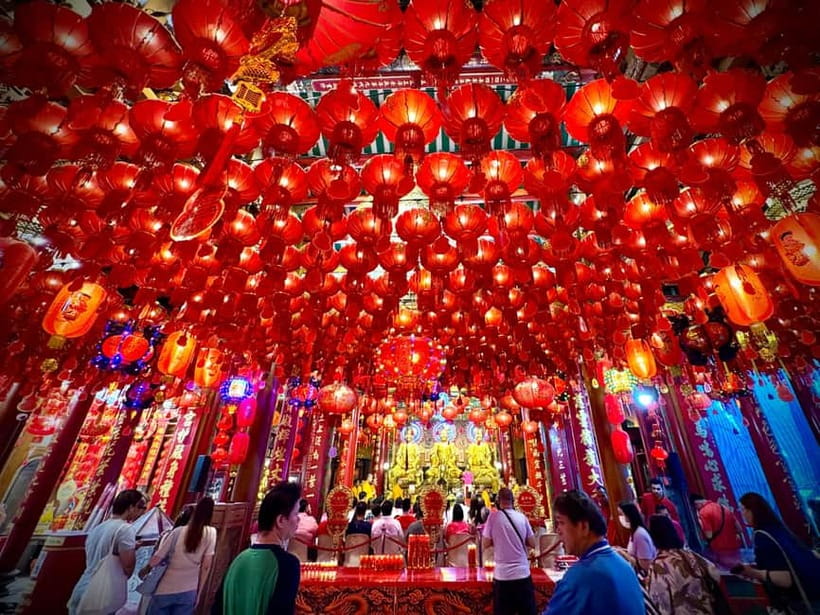
- Wat Mangkon Kamalawat: a temple that explains the area
- Morning market energy, with context not chaos
- Tian Fah Foundation Hospital: charity as part of the neighborhood
- Wat Traimit and the Golden Buddha story
- Wat Pathum Khongkha: peace and a royal touch
- Talad Noi ironworks alleys: craft you can see up close
- Talad Noi Community Museum and street art with a purpose
- Hidden shrines between old buildings
- Break time, photo stops, and the right pace for a 4-hour walk
- Ending at River City Bangkok: a smart finish line
- Price and value for a Bangkok Chinatown and Talad Noi walk
- Who should book this tour (and who might want to think twice)
- Practical tips to make the most of your morning
- Should you book this Chinatown & Talad Noi Street Art walking tour?
- FAQ
- Where does the tour start?
- How long is the walking tour?
- What is the price?
- What does the tour include?
- What is not included?
- Where does the tour end?
- Is the tour suitable for everyone?
Key things to know before you go
- MRT Wat Mangkon Exit 3 is your starting anchor in the middle of the action
- Wat Mangkon Kamalawat gives you the spiritual side of Yaowarat first
- Tian Fah Foundation Hospital connects food-and-business streets to community care
- The stop at Wat Traimit ties Chinatown to the legend of the Golden Buddha
- Talad Noi’s ironworks alleys and community museum show the craft-and-immigration story
- You finish at River City Bangkok so it’s easy to keep going on your own
From MRT Wat Mangkon into real Yaowarat
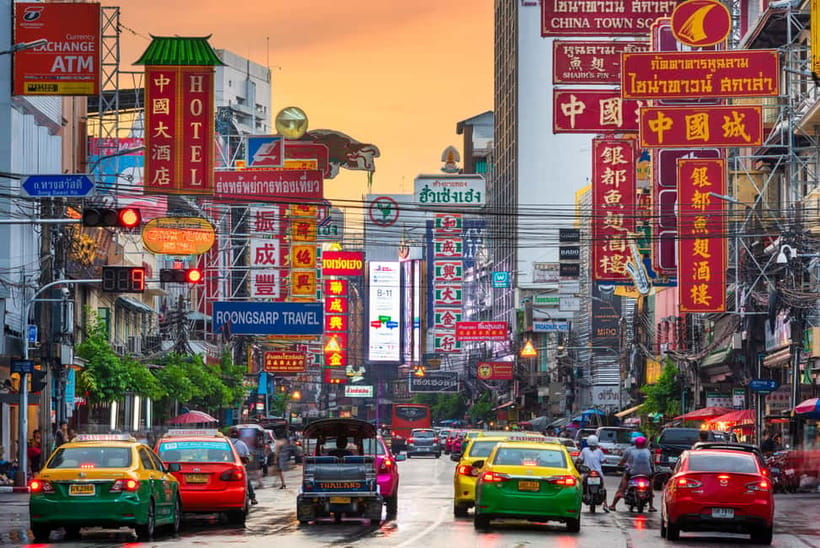
The tour starts at MRT Wat Mangkon Exit 3, a smart choice because it drops you right where Bangkok’s older street life still works. From there, the walk leads into Yaowarat at neighborhood pace, not “tour group pace.” The guide keeps you oriented while you slip into side lanes and quieter pockets where you can see daily rhythm—incense, doorways, shrine details, and shopfront signs.
A key value here is that the first leg isn’t only sightseeing. It’s setup. Once you understand why Wat Mangkon Kamalawat matters to Chinese spiritual life in Bangkok, the rest of the route makes more sense. You start noticing patterns: where families trade, where people pray, and how religious spaces sit close to commerce.
Deeper into Yaowarat after dark
- Bangkok Authentic Tasting Thai-Chinatown Walking Food Tour
★ 4.9 · 852 reviews - Bangkok: Tuk Tuk Adventure Chinatown Michelin Food & Temples
★ 4.3 · 725 reviews - Bangkok Tuk-Tuk Tour by Night with Chinatown Street Food Meal
★ 5.0 · 635 reviews
Wat Mangkon Kamalawat: a temple that explains the area
This is where the tour makes its first strong impression. Wat Mangkon Kamalawat isn’t treated like a quick photo stop. It’s presented as a hub—part spiritual center, part cultural anchor—so even if you only catch the details from street level, you’ll understand why this place shows up again and again in Chinatown’s story.
If you’re the type who likes to know what you’re looking at, this stop helps you read the neighborhood instead of just walking through it. And if you prefer “light and airy” travel, the temple pacing is still manageable because the guide keeps the flow moving.
Morning market energy, with context not chaos
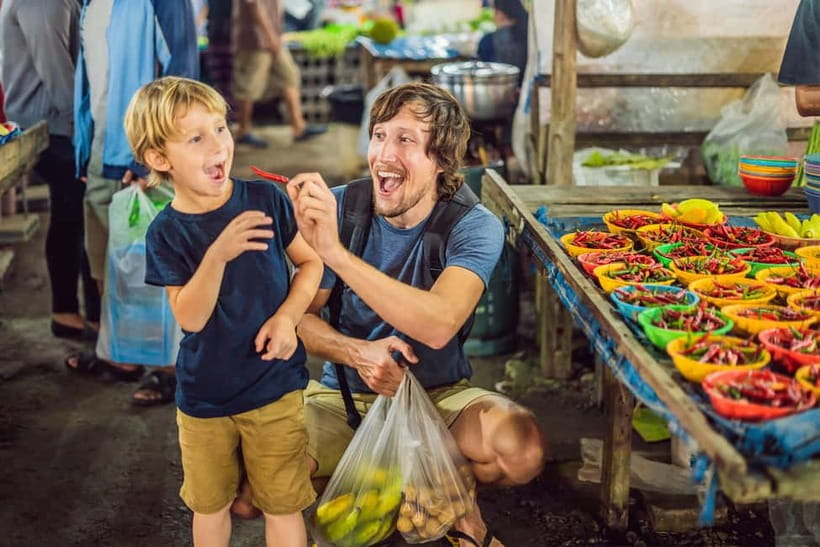
After Wat Mangkon Kamalawat, you head through a lively morning market. This is the part many people love most because Chinatown’s food and smells hit right away. Street food and incense show up in everyday ways, and you’ll be close enough to see how stalls function and how people shop, not just stare at displays.
What makes the market time useful on a tour is that the guide connects the sensory stuff to meaning. Incense isn’t just a smell. It’s part of ritual. Food isn’t just a snack. It’s part of trade and community habits that grew over time.
Tian Fah Foundation Hospital: charity as part of the neighborhood
Next comes Tian Fah Foundation Hospital, noted as Thailand’s first Chinese charitable hospital. That detail changes how you interpret Chinatown. It’s easy to see markets and temples and assume everything is commercial or religious. This stop reminds you that community support is also built into the area’s identity.
Even if you’re not the medical-history type, it’s a practical stop: it broadens what you think Chinatown is. You’ll walk away realizing that “heritage” isn’t only architecture and old streets. It’s also institutions created for people, and the relationships between groups over time.
Bangkok at walking pace, more routes



Wat Traimit and the Golden Buddha story
Then the tour shifts to one of Bangkok’s most famous Chinatown legends at Wat Traimit, linked to the Golden Buddha. This is where you get a story that feels bigger than the street you’re standing on. The guide ties the temple setting to the neighborhood’s long relationship with trade routes and immigrant communities.
The Golden Buddha element is a highlight because it gives you a memorable narrative hook. Even if you only remember one thing from the morning, you’ll likely remember this: how a single object and its story can become a symbol for an entire area’s identity.
Wat Pathum Khongkha: peace and a royal touch
Before entering Talad Noi, there’s also time at Wat Pathum Khongkha, described as peaceful and royal. This stop works like a palate cleanser. After the market’s motion and Chinatown’s tight street energy, a quieter temple gives your feet and your mind a reset.
It’s also a good lesson in contrast. Chinatown isn’t the only Thailand you’ll see on this walk. You’ll get a broader picture of how different kinds of sacred space coexist within the same overall day.
Talad Noi ironworks alleys: craft you can see up close
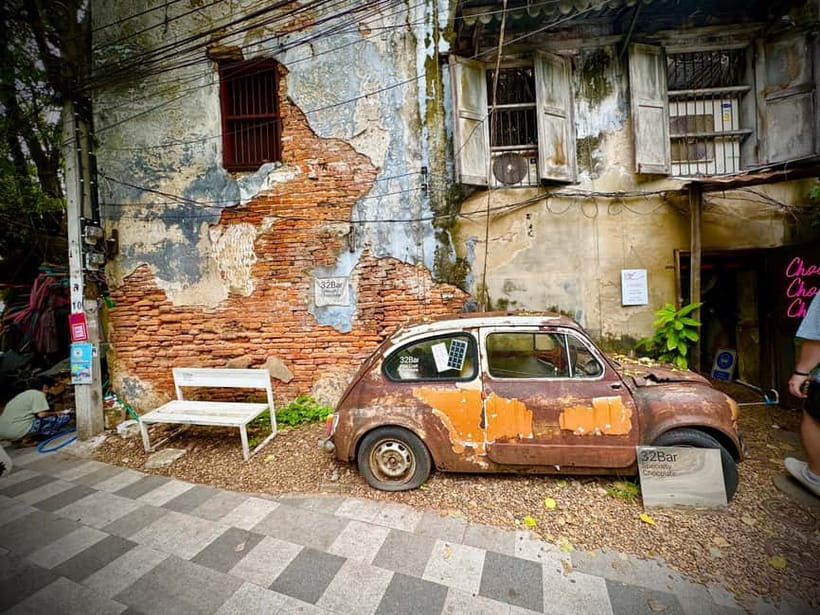
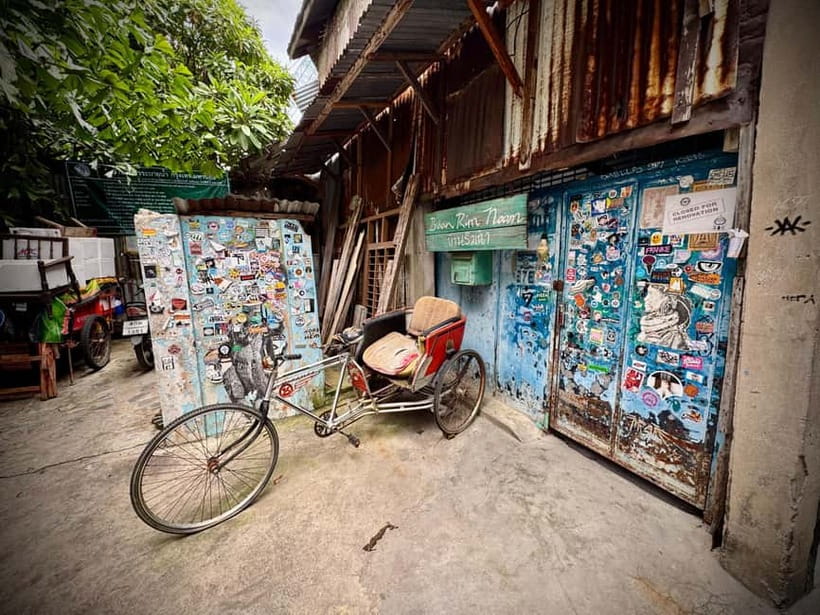
When you reach Talad Noi, the tour’s tone shifts from religion-and-market to work-and-making. You’ll walk through the historic ironworks alleys where Chinese craftsmen once forged metal tools. That “once” matters because it explains why certain streets feel built around workshops, trade, and practical output.
This is the part you’ll enjoy most if you like street-level detail: old building edges, narrow passages, workshop-style frontages, and the way craftsmanship shows up in the layout of the area. The guide helps you read it so it’s not just an atmospheric walk.
Talad Noi Community Museum and street art with a purpose
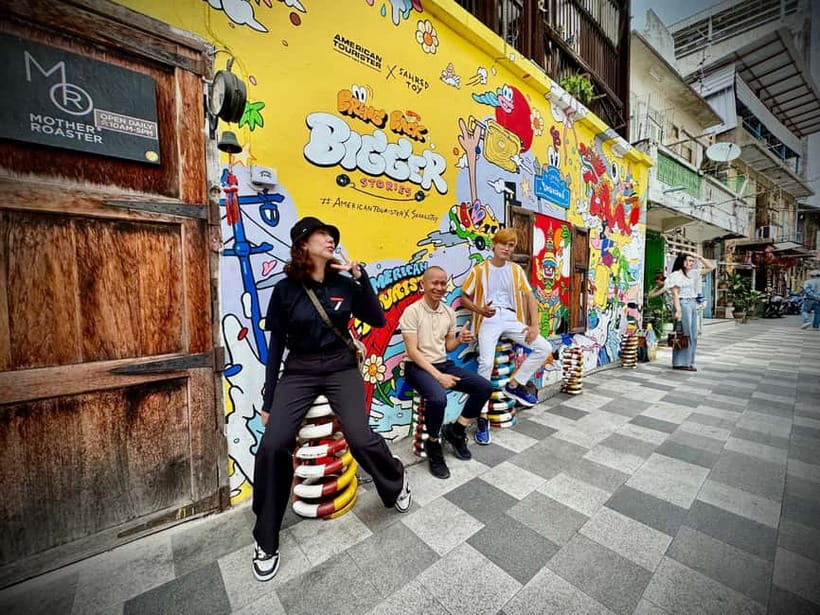
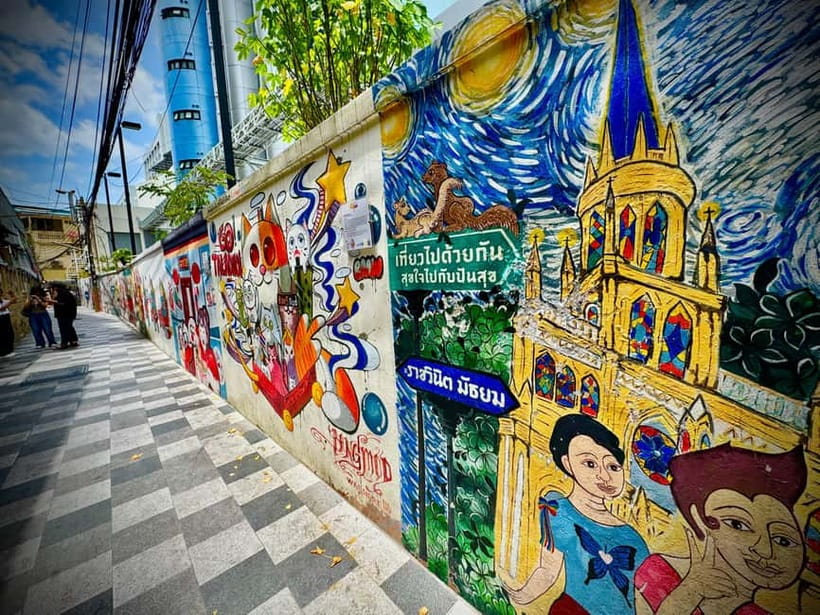
Next is the Talad Noi Community Museum, where you’ll see colorful street art. This is not treated as random decoration. The story you’re given connects the artwork to the community’s identity and to how people express history when old buildings and new generations share the same space.
If you’re worried street art stops being meaningful after the first few photos, this museum stop is a good antidote. You’re shown the relationship between art and place, not just the art itself.
Hidden shrines between old buildings
Along the way, you’ll find hidden shrines tucked between older structures. These are exactly the kinds of details most people miss when they walk Chinatown without help. With a guide, you don’t just notice the objects—you learn what they represent and why they’re still used.
This is one of the tour’s most “alive” moments. It feels like the neighborhood is quietly telling you it has layers: immigrant history, everyday faith, and still-active devotion in cramped spaces.
Break time, photo stops, and the right pace for a 4-hour walk
The day is built around movement, but it’s not nonstop. The itinerary includes a break time in Talad Noi, plus photo stops and stretches of guided walking with some free time. For me, that balance is the sweet spot. It keeps the tour structured enough that you learn, but you also get moments to breathe, look around, and decide what you want to linger on.
You’ll want comfortable shoes. This route is very much a pavement-and-side-street experience. Light clothing helps in the sun, and a hat plus sunscreen is smart because Chinatown streets don’t always give you shade.
Ending at River City Bangkok: a smart finish line
The tour ends at River City Bangkok, right on the Chao Phraya River. That’s a practical win because you’re not dropped somewhere complicated and far from everything. You finish near a spot where you can reset with riverside air, look for lunch, or continue with an easy next plan.
This ending also changes how the day feels. Instead of feeling like Chinatown has swallowed your whole time, you close with water and open space. The transition is part of the value: your morning story ends with a view, not a pile of tired feet with nowhere to go.
Price and value for a Bangkok Chinatown and Talad Noi walk
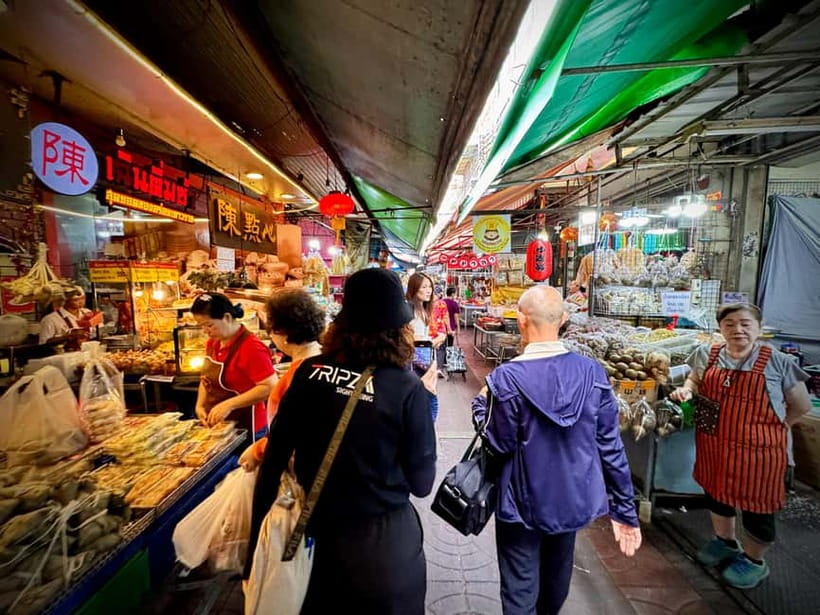
At $19 per person for a 4-hour experience, the value is mainly about coverage and guidance. You’re not just doing a “see these points” checklist. You’re getting a route designed to connect temple life, charitable institutions, and craft history—two neighborhoods in one walk, with a licensed English-speaking guide and bottled water.
That matters because guides can save you time and confusion. Without one, you might find temples and markets, but you’d likely miss the connections: why a specific hospital matters, what the Golden Buddha story symbolizes, and how ironworks alleys reflect the economic life of the community.
Also, the guide can help you choose what to prioritize on the ground. Based on the range of named guides you might meet—people like Jenny, Nok, Mai, Florence, Mariyah, Ploy, Jib, and Toto—the tour has a reputation for clear explanations and a friendly pace. Some groups even get extra tailoring to personal preferences, which is a big deal on a walking tour with limited time.
Who should book this tour (and who might want to think twice)
This is a great fit if you want authentic street-level Bangkok but you also like meaning behind what you see. It’s especially good for people who:
- enjoy markets, temples, and side streets more than museum-only days
- want a guided explanation of Thai-Chinese heritage in a walkable area
- like hearing stories that connect faith, commerce, and community
It’s not a great fit if you have limited mobility. The tour is not suitable for pregnant women or wheelchair users, and it relies on comfortable walking for a few hours.
If you’re traveling as a couple, solo, or with a friend who also wants to learn, this one works well because the pace is social but not chaotic.
Practical tips to make the most of your morning
Here are the small things that will help you enjoy the tour more:
- Wear comfortable shoes before you arrive; you’ll be on foot for much of the route
- Bring sunscreen and a hat since the market-to-alley part can be exposed
- Carry your own water too, even though a bottle is included
- If you choose optional pickup, have your timing ready and watch for the guide holding a sign with your name
If you’re the kind of traveler who likes to stay flexible, this is also a good choice. You end at River City Bangkok, which makes it easy to plug into a lunch plan or a riverside boat idea without scrambling.
Should you book this Chinatown & Talad Noi Street Art walking tour?
I’d recommend booking if you want more than a checklist of temples and photos. This tour does something harder: it connects places in a way that makes Chinatown and Talad Noi feel like one continuous story, not two disconnected areas.
It’s also one of the better value options in Bangkok for an English-guided experience at $19. With a fully licensed English-speaking guide and a clear ending by the river, you get both learning and a practical finish.
If you hate walking in heat or you need a very low-footprint itinerary, you might prefer a shorter option. But if you can handle several hours of street walking and you like your city with context, this one is a strong bet.
FAQ
Where does the tour start?
The meeting point is MRT Wat Mangkon Exit 3.
How long is the walking tour?
The duration is 4 hours.
What is the price?
The price is $19 per person.
What does the tour include?
It includes a fully licensed English speaking guide and a bottle of water.
What is not included?
Meals and personal expenses are not included.
Where does the tour end?
The tour ends at River City Bangkok, on the banks of the Chao Phraya River.
Is the tour suitable for everyone?
It is not suitable for pregnant women and wheelchair users. You’ll want to wear comfortable shoes and dress lightly for walking.
More Tours in Bangkok



More Tour Reviews in Bangkok




Deeper Into Yaowarat



Just In: Fresh Bangkok Reviews


Chinatown Tours, compared.
 ★ 4.9Bangkok Authentic Tasting Thai-Chinatown Walking Food TourFrom $43852 reviews
 ★ 4.3Tuk Tuk Adventure Chinatown Michelin Food & TemplesFrom $18725 reviews
 ★ 5.0Bangkok Tuk-Tuk Tour by Night with Chinatown Street Food MealFrom $40635 reviews
 ★ 5.0Bangkok by Night Food Tour with 10+ Tastings in ChinatownFrom $46545 reviews
 ★ 4.6Bangkok Tuk-Tuk by Night with Chinatown Street Food MealFrom $40263 reviews
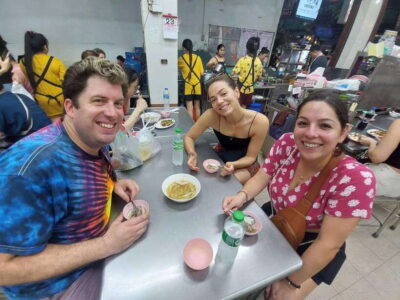 ★ 4.8Chinatown Food Tour with Michelin Food StallsFrom $36226 reviews
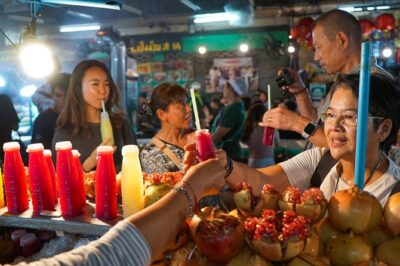 ★ 5.0Bangkok Night Michelin Foodie Tour in Chinatown with 15+ tastingsFrom $56189 reviews
 ★ 5.0Night Street Food Tour of Bangkok’s ChinatownFrom $58173 reviews
Browse the lists this tour appears in