
Review · KANCHANABURI & RIVER KWAI
Kanchanaburi: Erawan Waterfall & Train Full-Day Tour
Seven-tier falls and the Death Railway in one day. I love the Erawan Waterfall mornings and the Srinakarin Lake photo stops, and you get a guided mix of nature and WWII-era rail sights; the trade-off is a tight, early-to-late pace.
This trip works well if you want one day that feels “doable,” with a small group (up to 9) and an English-speaking guide helping you make sense of what you’re seeing. Just note it’s not a low-effort day, and some parts of the schedule can feel rushed if you prefer slower travel.
In This Review
- Key points to know before you go
- A full-day Kanchanaburi plan that mixes water and steel rail
- Srinakarin Lake before the day heats up
- Entering Erawan National Park: seven tiers and real pool time
- The Erawan pace: good for active visitors, not for everyone
- Lunch at a local restaurant: tasty, but it can skew tourist-friendly
- The Death Railway train ride: one of the best “views per minute” moments
- Bridge on the River Kwai: history with a view angle
- English guide + small group: why it matters on an 8-hour day
- Transport, timing, and why the day can feel tight
- What to bring (and what makes the biggest difference)
- Responsible travel touches: GSTC, glass-bottled water, and carbon offsets
- Price and value: is $114 fair for a lake, park, train, and bridge?
- Who this tour is best for (and who should skip it)
- Should you book the Kanchanaburi Erawan & Train full-day tour?
- FAQ
- How long is the Kanchanaburi Erawan Waterfall & Train tour?
- How big is the group?
- What’s included in the price?
- Are meals included?
- How does pickup work and where do I meet the guide?
- Is it refundable if my plans change?
Key points to know before you go
- Small group (max 9): easier pacing and more chances to ask questions.
- Early arrival at Erawan: you’ll start with the best shot at calmer waterfall pools and better photos.
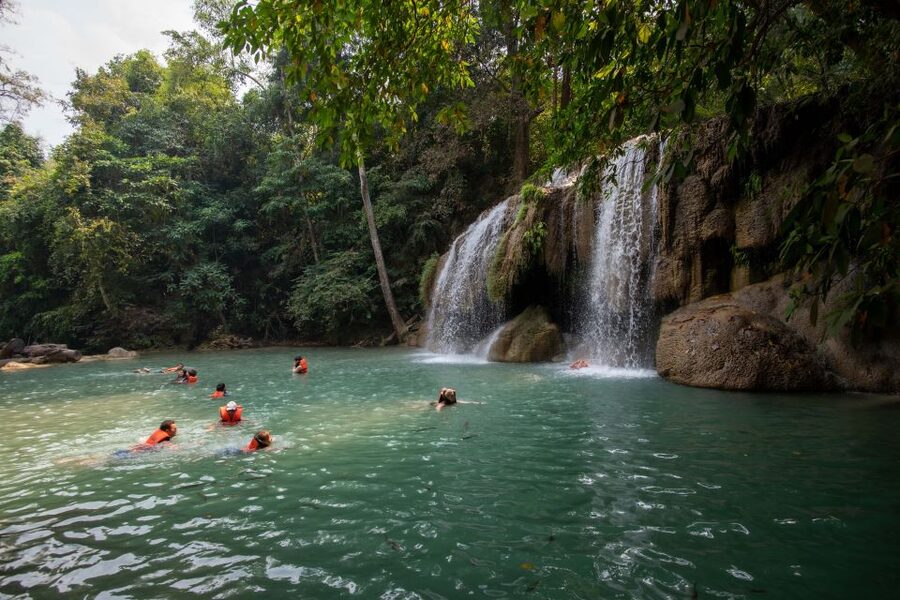
- Seven-tier Erawan Waterfall: time to hike a bit, then stop at the emerald-green swimming pools.
- Siam-Burma Railway train ride: panoramic windows plus key bridges and River Kwai views.
- Guided cultural stop at Bridge on the River Kwai: a history-and-view combo, not just a photo stop.
- GSTC-aligned responsible travel: drinking water in glass bottles plus carbon-avoidance steps.
A full-day Kanchanaburi plan that mixes water and steel rail
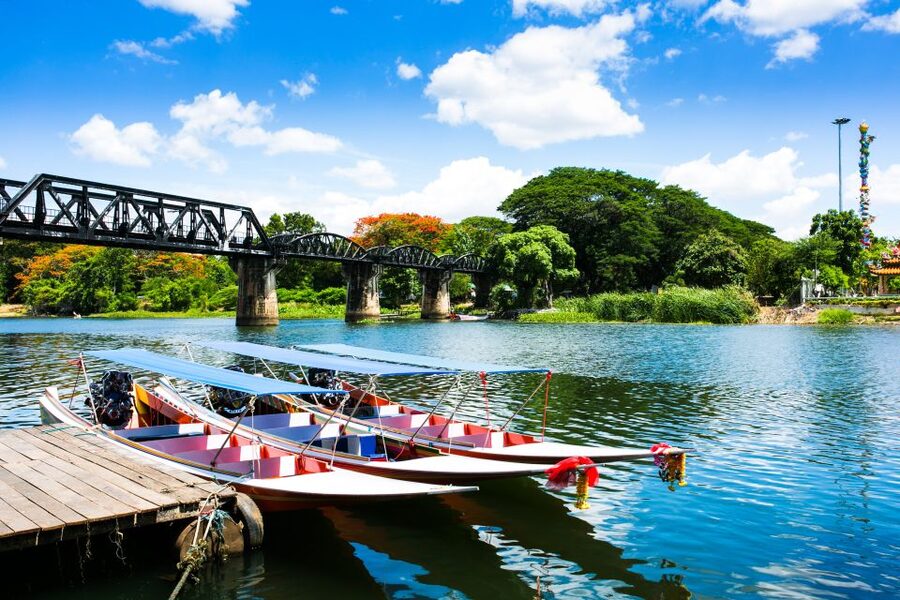
This is the kind of day trip that’s built around two very different moods. First, you’re in and around the forested pools at Erawan National Park, where the highlight is a seven-tier waterfall that tumbles through jungle. Then you switch gears to steel, history, and train windows on the Siam-Burma Railway, including the famous River Kwai area.
What I like for your planning: the day isn’t just driving between dots on a map. You get guided time at the big sights—so you’re not guessing what you’re looking at—plus scheduled breaks that still leave you enough energy for photos and a swim-ready moment.
Out to the River Kwai, more Kanchanaburi trips
- Bangkok: 2-Day River Kwai & Erawan National Park Tour
★ 4.8 · 125 reviews - Kanchanaburi River Kwai & Hellfire Pass Private Tour
★ 4.7 · 113 reviews - Kanchanaburi: Erawan Waterfall & Train Full-Day Tour
★ 4.8 · 57 reviews
Srinakarin Lake before the day heats up
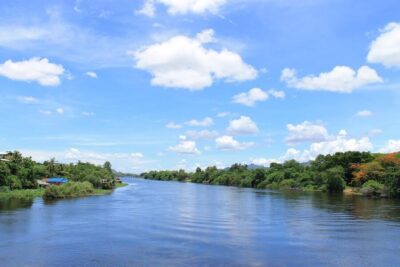
Your morning starts with the reservoir views of Srinakarin Lake, created by the Srinakarin Dam on the Kwai Yai River. Expect a calm start: you’re there early enough to appreciate the wide water views and the mountain-and-forest framing without feeling like you’re battling a crowd.
This stop is practical. It’s long enough (45 minutes) to get your bearings and take photos without eating your whole morning. It also gives you a mental warm-up before Erawan National Park—water, forest, and open viewpoints—so the day feels less like a blur of transport.
Entering Erawan National Park: seven tiers and real pool time
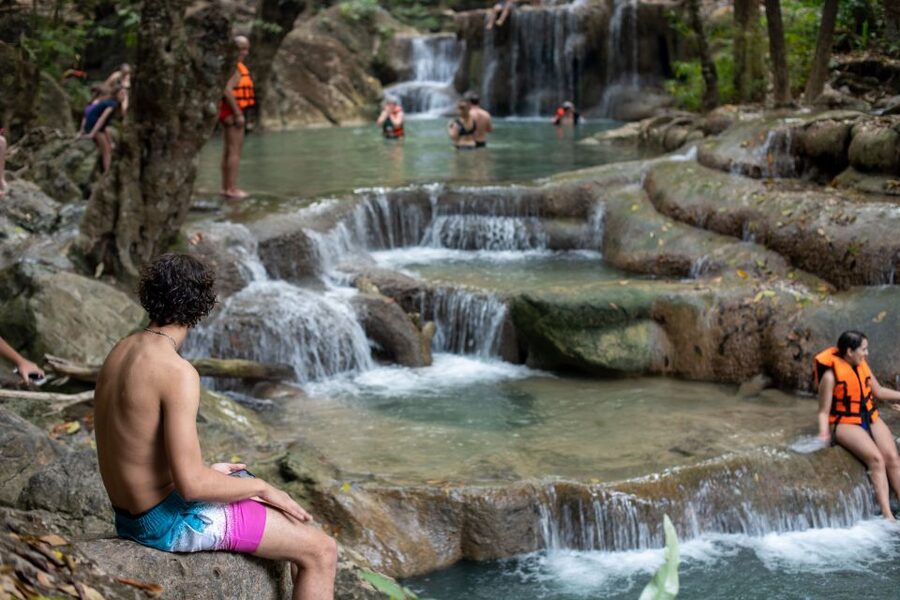
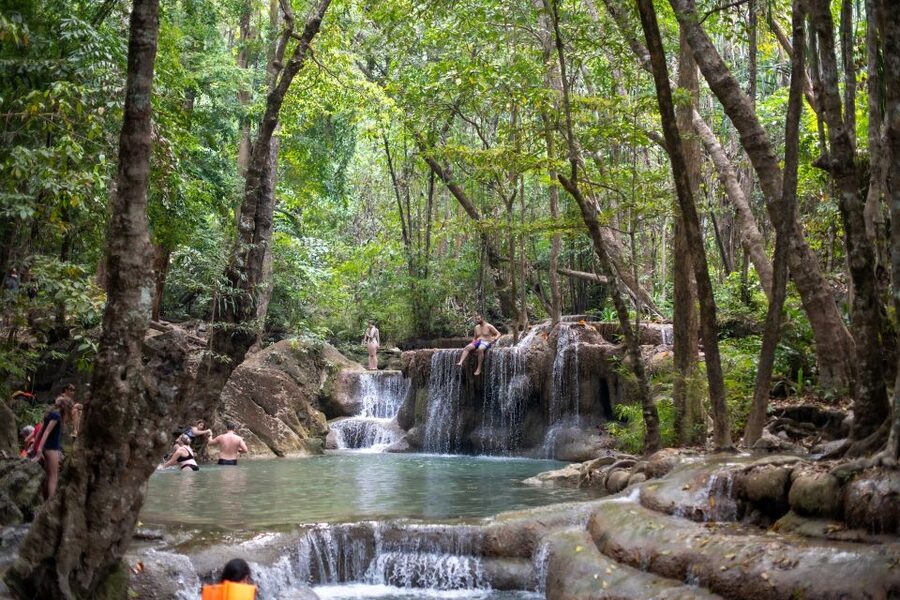
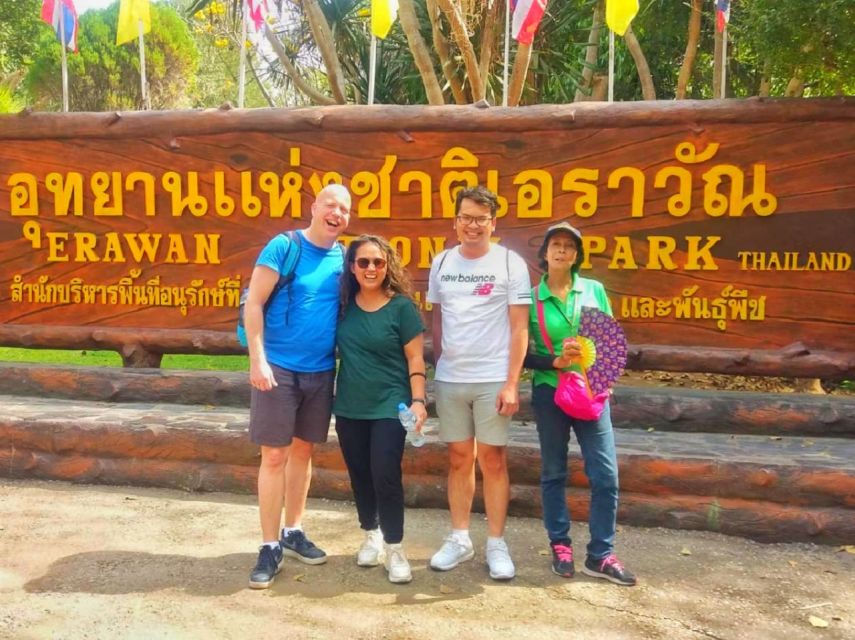
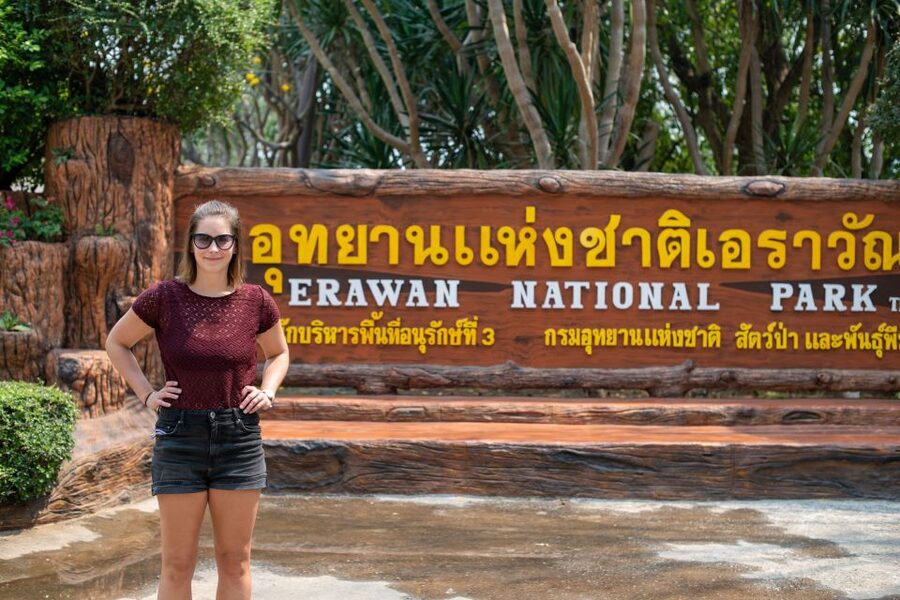
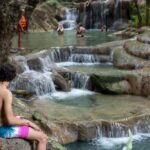
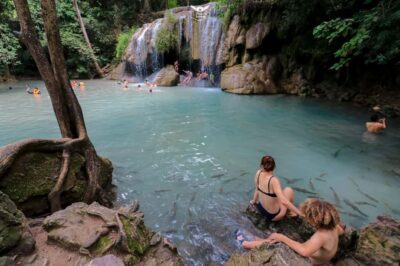
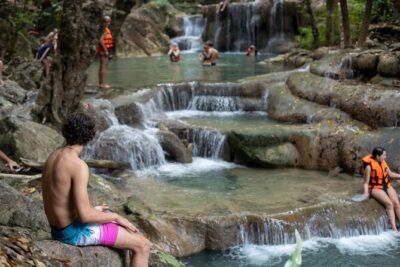
Erawan National Park is named after a three-headed white elephant from Hindu mythology. That myth matters because the waterfall itself is said to resemble the god Erawan—three-headed, tiered, and dramatic in how it drops through the jungle.
The core experience is the Erawan Waterfall, which runs down seven tiers. With about 2.25 hours guided time in the park, you get more than the standard “see it from one spot and leave.” You have time to:
- pause for viewpoints along the falls,
- check out nearby caves,
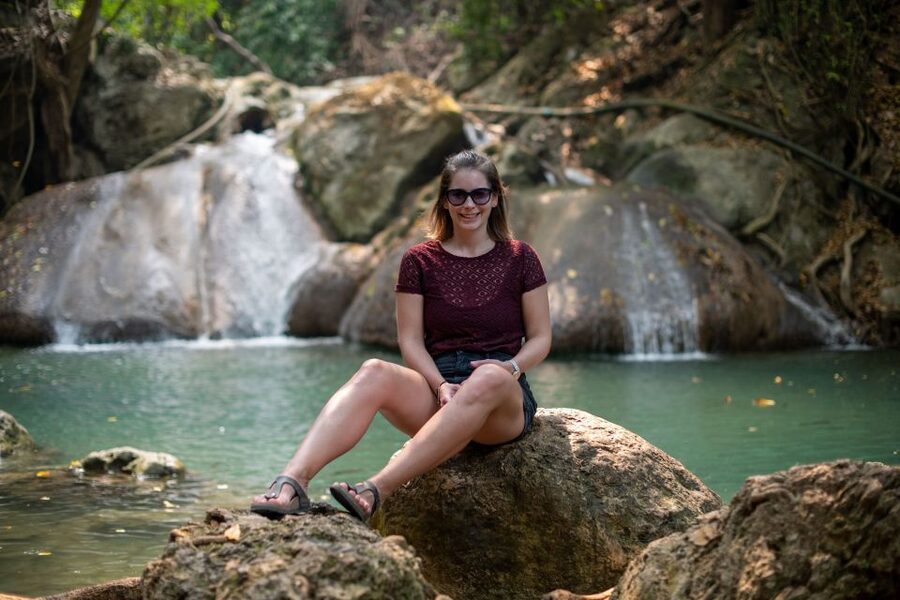
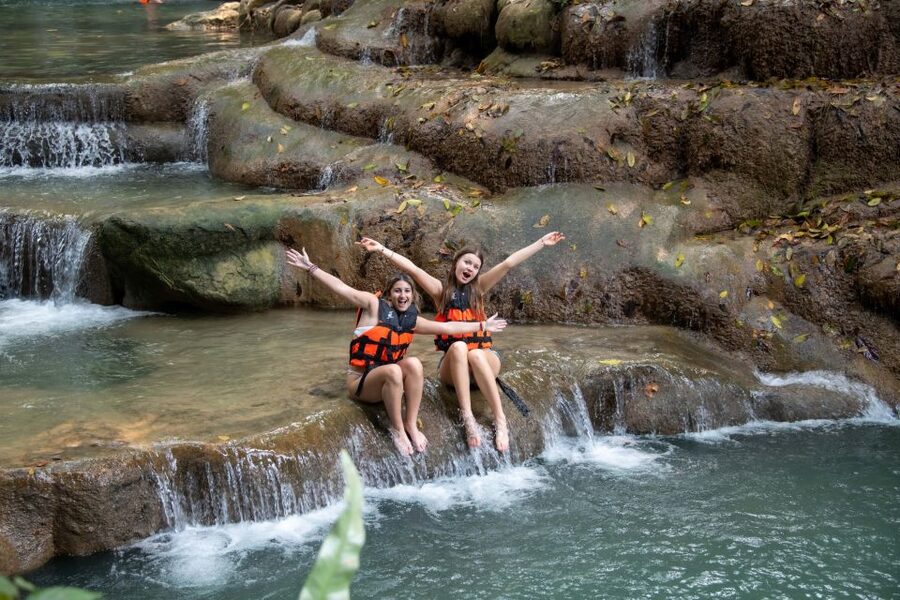
- and take a quick dip in the emerald-green pools when conditions allow.
One very useful tip from real-world experience on this kind of schedule: bring your swimwear and a towel. The tour setup assumes you’ll be ready for the water moment, and the pools are the kind of place where getting in feels like part of the point.
The Erawan pace: good for active visitors, not for everyone
Erawan is not a flat stroll the whole way. Even if you don’t do the longest route, you’ll still be moving through a natural setting with changing surfaces. That’s great if you like walking and sudden payoff views, but not ideal if mobility is limited.
Worth putting side by side before you book this Kanchanaburi tour:
Lunch at a local restaurant: tasty, but it can skew tourist-friendly
After the park, you’ll have about an hour at a local restaurant. Meals are not included, so plan to spend cash here if you want to eat comfortably. The best move is to treat lunch as fuel, not a long sit-down experience.
From guide-style feedback, the food setup can be buffet-like and geared toward speed and variety. That’s convenient, but one downside you should keep in mind: some restaurant stops in areas like this can feel more tourist-oriented than truly off-the-grid. If you’re picky, consider what you can tolerate quickly—because the day keeps moving.
The Death Railway train ride: one of the best “views per minute” moments
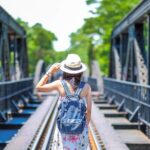
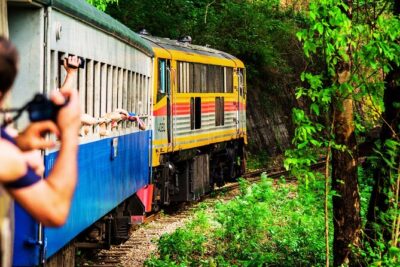
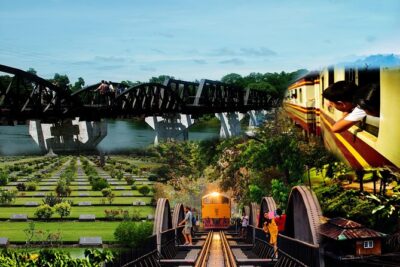
Then comes the main story shift: the Burma Railway train ride along the Siam-Burma Railway route. This segment runs about 1.5 hours, and you’ll pass key scenic points, including the Tham Krasae Bridge and stretches along the River Kwai.
Why this part is worth planning for: the train ride is more than transport. It turns the long day into a sit-and-watch break, and the panoramic views give you a different kind of connection to the region than driving does.
A couple of practical things to expect based on common on-the-ground pacing:
- The train time can feel like the biggest chunk of the middle of the day. If you prefer short transit segments, this may feel long even though it’s scheduled.
- Seating and timing are part of the experience. One highlight from real guide success is getting you on with minimal stress so you can enjoy the ride.
Bridge on the River Kwai: history with a view angle
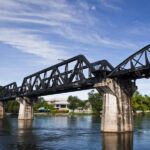
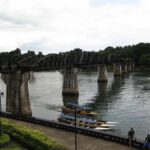
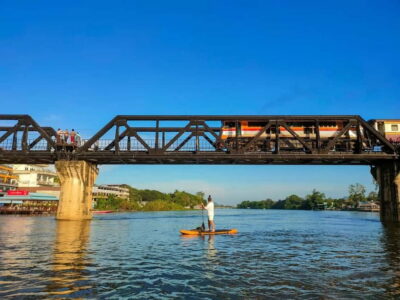
You finish with a guided stop at the Bridge on the River Kwai. This is where the tour turns from nature sights to the cultural and historical meaning of the area. You’re given context while also getting the payoff views that make this location famous.
The stop is about 1 hour guided, which is a good length for people who want meaning without turning the day into a lecture. You’ll have time to look around, take photos, and ask questions about what made this bridge important and how it fits into the wider story of the railway.
English guide + small group: why it matters on an 8-hour day
This tour caps at 9 participants, which makes a difference when the schedule is packed. With fewer people, it’s easier to:
- keep instructions clear,
- move as a group without constant waiting,
- and get quick answers when you spot something you don’t understand.
The English-speaking guides seem to be a major reason people leave with a good day. Named examples include Kanitsupa and Dominik, both noted for energy, organization, and helpful tips. That matters because this route includes multiple locations with different moods—lake calm, waterfall nature, rail history—and a good guide stitches the day together so it doesn’t feel disconnected.
Transport, timing, and why the day can feel tight
The itinerary is full, and that’s the heart of the experience. You start early, you cover several stops, and you’re expected to keep up.
A balanced note from real experiences: some people felt the timing was tight and wished for more room—especially around the train segment and overall pacing. Another caution that came up: driving style can vary, and one traveler described it as risky. If you’re sensitive to fast pacing, or you’re the type who gets stressed in traffic, go into this knowing the day is structured to move.
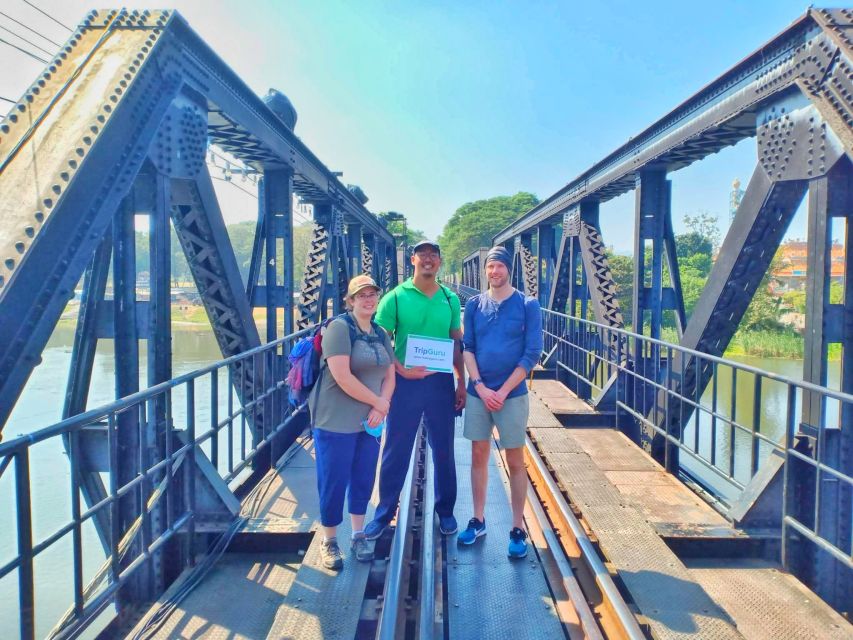
Good news: transport quality is widely rated highly, and pickup is handled carefully. You’ll be met in the lobby area, and the guide will hold a TripGuru sign. Still, it’s smart to show up early so the group starts on time.
What to bring (and what makes the biggest difference)
This tour asks you to be comfortable outside, near water, and ready for walking. Here’s what to pack based on the tour’s own checklist:
- Swimwear (the waterfall pools are the point)
- Change of clothes + towel
- Camera
- Sunscreen
- Cash (meals aren’t included)
- A little common sense for a hot day: water, shade breaks, and no heavy baggage
If you want an easy win: keep your swim kit where you can reach it fast. When a schedule is tight, you don’t want the “where’s my towel?” scramble.
Responsible travel touches: GSTC, glass-bottled water, and carbon offsets
This tour positions itself as responsible travel with GSTC alignment. You’ll be provided drinking water in glass bottles, and there’s mention of offsetting carbon emissions for every tour.
Here’s how to think about this in practical terms: it doesn’t remove the fact that you’re doing a full-day drive-and-visit route. But the small operational choices—what kind of water is provided and how emissions are handled—signal that the operator is trying to reduce waste and footprint rather than ignoring it.
Price and value: is $114 fair for a lake, park, train, and bridge?
At $114 per person for about 8 hours, you’re paying for a lot of “included logistics.” You get:
- an English-speaking guide,
- air-conditioned transport,
- drinking water,
- the Erawan National Park entrance fee,
- and the train ride.
Meals aren’t included, so you’ll add lunch costs, and personal expenses are on you. Still, the value is strongest if you’d otherwise pay separately for park entry + a guided rail visit + a guided history stop. Doing this independently would likely take more time and coordination, and you’d lose the guided context that turns scenery into understanding.
Where the value can feel weaker is if you personally dislike tight schedules or longer seated segments. If you want a slower day with more padding, the structure might feel like a compromise. But if you’re the type who likes hitting major highlights in one go—and you want a guide to keep it organized—this price can make sense.
Who this tour is best for (and who should skip it)
This fits you best if:
- you want nature + history in one day,
- you’re comfortable with early starts and walking on natural paths,
- you want the waterfall pools to be part of the experience (not just a viewpoint),
- and you like guided explanations as you go.
It may not fit you if:
- you’re pregnant,
- you have mobility impairments,
- or you prefer a slow, low-stress day with lots of free time.
Should you book the Kanchanaburi Erawan & Train full-day tour?
I’d book it if your idea of a great day is: early waterfall pools, then a guided rail-and-bridge history finish. The biggest strengths are the combination—Erawan’s waterfall experience paired with the Siam-Burma Railway train ride—and the small group size that keeps the day from feeling chaotic.
I wouldn’t book it if you’re very time-sensitive, dislike long seated segments, or you need a trip with more breathing room between stops. Also, if you’re not comfortable with walking in a natural setting, the Erawan portion may not be your best match.
If you do book: pack your swimwear, bring sunscreen, and plan to treat lunch as quick fuel. Show up a little early for pickup, and let the guide handle the flow—this day is at its best when you go with the rhythm.
FAQ
How long is the Kanchanaburi Erawan Waterfall & Train tour?
It lasts about 8 hours.
How big is the group?
The tour is limited to a small group of up to 9 participants.
What’s included in the price?
You get an English-speaking guide, air-conditioned transportation, drinking water, Erawan National Park entrance fee, and the train ride. Hotel pickup and drop-off is included if you select a private tour.
Are meals included?
No. Meals are not included, and you should budget for lunch at the local restaurant.
How does pickup work and where do I meet the guide?
Pickup is only offered from hotels or registered accommodations. The driver confirms the exact pickup time the evening before, and the guide will be holding a TripGuru sign. Be ready in your hotel lobby about 10 minutes before pickup.
Is it refundable if my plans change?
Yes. You can cancel up to 24 hours in advance for a full refund. You can also reserve now and pay later.
More Tours in Kanchanaburi
More Tour Reviews in Kanchanaburi
Out to the River Kwai
Just In: Fresh Kanchanaburi Reviews
Kanchanaburi & River Kwai, compared.
 ★ 4.5From Bangkok: Erawan Park & Kanchanaburi Small-Group TourFrom $591,582 reviews
 ★ 4.6From Bangkok: Death Railway & Hellfire Pass Tour with LunchFrom $82931 reviews
 ★ 4.6From Bangkok: Historical Day Tour to River KwaiFrom $51868 reviews
 ★ 4.8From Bangkok: Elephant Sanctuary and Kanchanaburi TourFrom $79826 reviews
 ★ 4.9Elephant Sanctuary & Erawan Waterfall TourFrom $181820 reviews
 ★ 4.5Bridge on the River Kwai and Thailand-Burma Railway TourFrom $108658 reviews
 ★ 4.5Erawan Waterfalls and Bridge Over River Kwai Tour from BangkokFrom $56372 reviews
 ★ 4.5Bridge on the River Kwai and Thailand-Burma Railway Guided TourFrom $94353 reviews
Browse the lists this tour appears in