
Review · KANCHANABURI & RIVER KWAI
Kanchanaburi Tour Hellfire Pass History tour
WWII stories hit hard in quiet places. This Kanchanaburi day tour blends Hellfire Pass Memorial Museum with a historic Death Railway train ride, plus the River Kwai Bridge and a long-tail boat cruise. I especially like how the day balances heavy history with scenic, slower moments on the water and viewpoints.
One consideration: the Hellfire Pass walking trail and POW memorial content can feel emotional. If you’re sensitive to WWII-related material, plan your day accordingly.
In This Review
- Key highlights you’ll actually feel
- A Full Day Linking POW Stories, the Rails, and the River
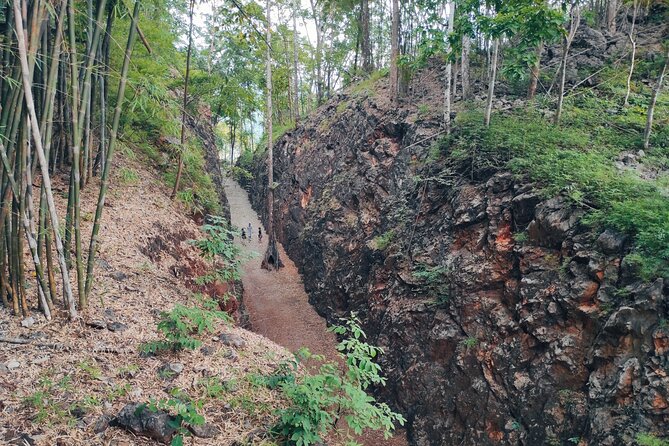
- Hellfire Pass Interpretive Centre: The Walking Trail Sets the Tone
- Tham Kra Sae Bridge: A Short Photo Stop That Feels Dramatic
- Death Railway Train Ride: Where the Scenery Becomes Context
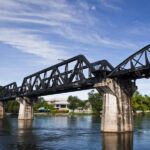
- River Kwai Bridge: Symbolic and Still Very Real
- Long-Tail Boat Cruise on the River Kwai: A Mental Reset
- Chong Kai War Cemetery: A Calm Close with Weight
- Price and Value: What $110.68 Buys You Here
- Who Should Book This Tour (and Who Might Want Something Else)
- Practical Tips So Your Day Runs Smoothly
- Should You Book the Kanchanaburi Hellfire Pass History Tour?
- FAQ
- How long is the Kanchanaburi Hellfire Pass History tour?
- Is pickup included?
- Does lunch come with the tour?
- What main stops are included?
- Are admission tickets included?
- What if I have food allergies?
- What is the cancellation window for a full refund?
Key highlights you’ll actually feel
- Hellfire Pass Memorial Museum + walking trail for context before you move on to the railway sites
- Tham Krasae Bridge (Krasae Cave Bridge) for a dramatic, cliffside rail-bridge photo stop
- Historic Death Railway train ride through the same kind of terrain soldiers endured
- River Kwai Bridge visit timed after the train, so the symbolism lands harder
- Long-tail boat ride adds a calmer pace after the rail-and-memorial intensity
- Chong Kai War Cemetery gives you a quiet close to the day
A Full Day Linking POW Stories, the Rails, and the River
This is a nine-hour-style day in Kanchanaburi that moves in a clear loop: start with the memorial and learning, then follow the route through rail infrastructure, then finish with river time and a cemetery. That flow matters. You get context first, then you see the physical places where history played out, then you end with slower, reflective scenery.
The tour is priced at $110.68 per person and includes a lot that people often pay for separately: admission at key sites, lunch, and rides/transport between stops. It’s not just check-the-box sightseeing. It’s a structured day where the different parts reinforce each other, and your guide helps you connect what you’re seeing to what it meant.
Also: it’s a private tour/activity, meaning it’s only your group. That’s a big deal on days like this, because you want room to ask questions, adjust pace, and not get rushed past something heavy.
Out to the River Kwai, more Kanchanaburi trips
- Bangkok: 2-Day River Kwai & Erawan National Park Tour
★ 4.8 · 125 reviews - Kanchanaburi River Kwai & Hellfire Pass Private Tour
★ 4.7 · 113 reviews - Kanchanaburi: Erawan Waterfall & Train Full-Day Tour
★ 4.8 · 57 reviews
Hellfire Pass Interpretive Centre: The Walking Trail Sets the Tone
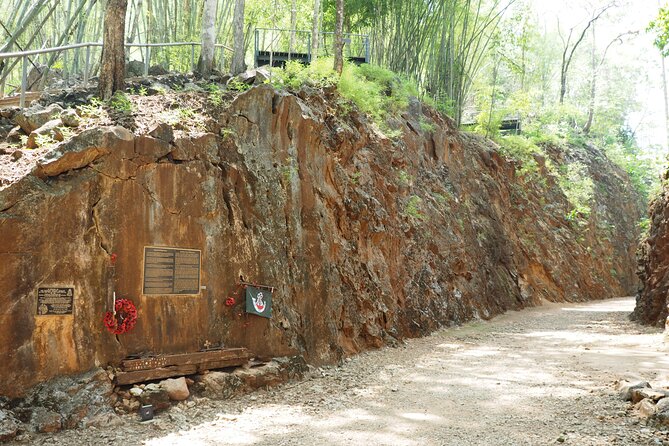
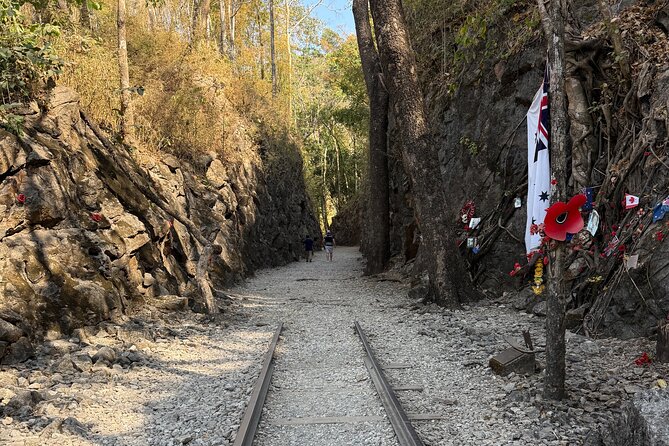
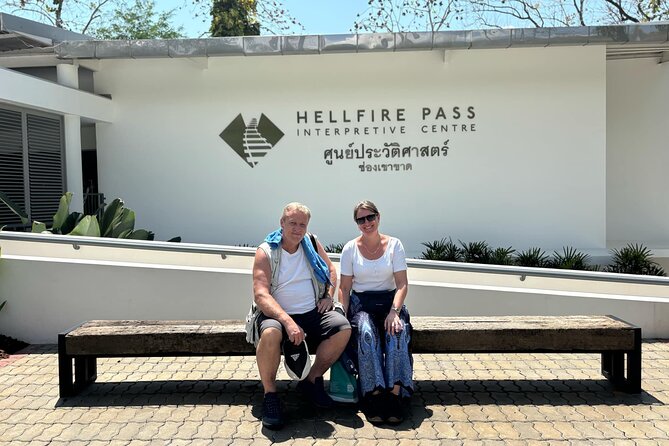
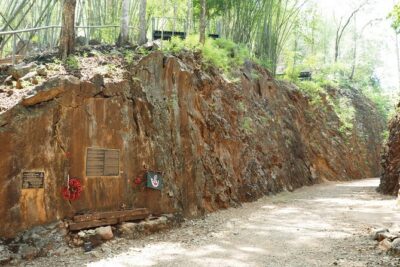
You start at the Hellfire Pass Interpretive Centre and Memorial Walking Trail, with about an hour on-site. This is where the day becomes real. Before you go near the Death Railway sites, you learn what the POW labor meant and what happened in this area.
The museum stop is designed to give you bearings fast—so when you later see rail infrastructure and recognize the region’s terrain, you’re not just looking at old structures. You’re understanding why people were here, what they endured, and why the memorial matters today.
Practical note: this part of the day includes a walking trail. Wear comfortable shoes with decent grip. Even if the route isn’t extreme, you’ll be on your feet and the memorial setting asks you to slow down a bit.
From the tone described by past guests, the guide-led explanations help a lot here. One review highlighted a guide who stayed both informative and a bit funny outside the toughest moments—exactly the right balance. It doesn’t erase the emotion, but it keeps the day from feeling like a lecture with no human connection.
Tham Kra Sae Bridge: A Short Photo Stop That Feels Dramatic
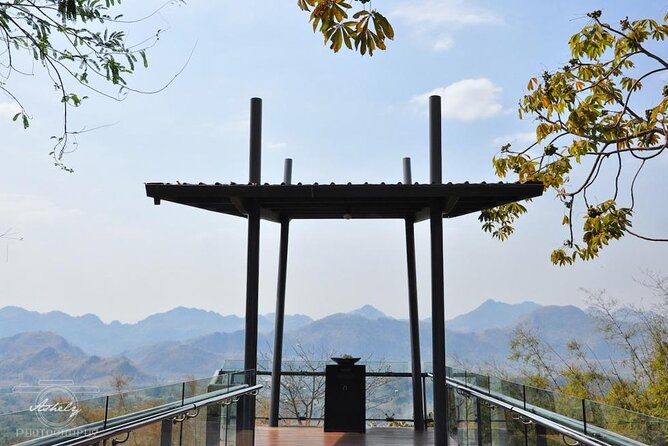
Next up is Tham Kra Sae Bridge, also described as Krasae Cave Bridge. You’ll spend about 20 minutes at this stop, and it’s timed as a quick, scenic break between the heavier content of Hellfire Pass and the bigger set piece of the Death Railway train ride.
This bridge stop is appealing because it changes the visual angle. Instead of museum panels and a memorial trail, you’re looking at a wooden railway bridge along a dramatic cliffside setting. The short time window can be a plus if you’re tired from the earlier emotional content. It also means you don’t lose momentum—your day stays energetic.
A drawback to consider: because the stop is brief, you’ll want to be ready to move quickly once you’re there. If you’re the type who likes lingering for photos and long explanations, tell your guide you want a little extra time here. With a private setup, you’re more likely to get that flexibility than on a large group tour.
Death Railway Train Ride: Where the Scenery Becomes Context
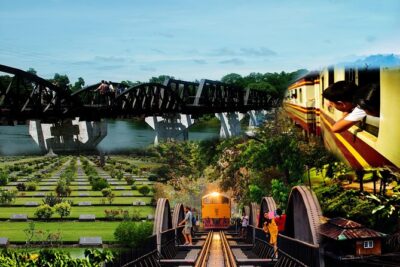
After that, the core experience kicks in: a train ride on the historic Death Railway, paired with time at the Bridge on the River Kwai. The block of time for this segment is about 1 hour 30 minutes.
This is the part many people remember because it converts history from text into lived experience. You ride through the same general kind of terrain and feel what it means to move people through difficult ground. It’s not a reenactment; it’s a modern ride through a historically important corridor. But your brain keeps making connections as the scenery passes.
Why this matters: Hellfire Pass teaches you the story behind the labor. Then the train ride helps you understand the physical challenge—how the route and land shaped what was possible. You start seeing geography as part of the historical narrative, not just background.
How to get more value: pay attention to what your guide points out during the ride and right after. The Bridge on the River Kwai is famous, but what you’ll get more from is the explanation of resilience and the way the bridge represents the era’s hard reality.

River Kwai Bridge: Symbolic and Still Very Real
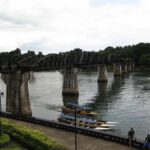
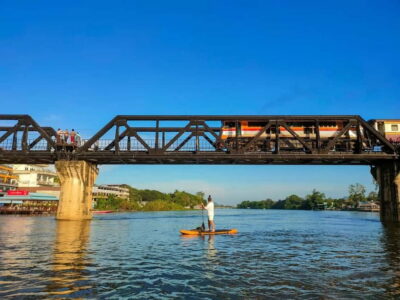
The Bridge on the River Kwai visit is included as part of that train-and-bridge block, so you’re not just taking quick photos. You get around an hour in that broader segment to look at the bridge as a symbol—and to connect that symbol to what you learned earlier.
The bridge has a layered meaning: it’s tied to WWII infrastructure, forced labor, and survival stories, but it’s also something you can physically stand near. That physicality is important. It’s easier to grasp the scale when you’re there, rather than seeing it only from road approaches or in pictures.
Tip: if you prefer less time in crowds, the best strategy is to listen to your guide about timing and where to stand for better views. With a private group setup, you may have a bit more control over how quickly you circulate and where you take your time.
Long-Tail Boat Cruise on the River Kwai: A Mental Reset
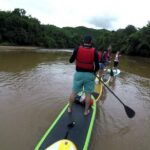
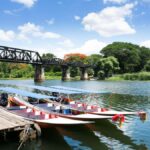
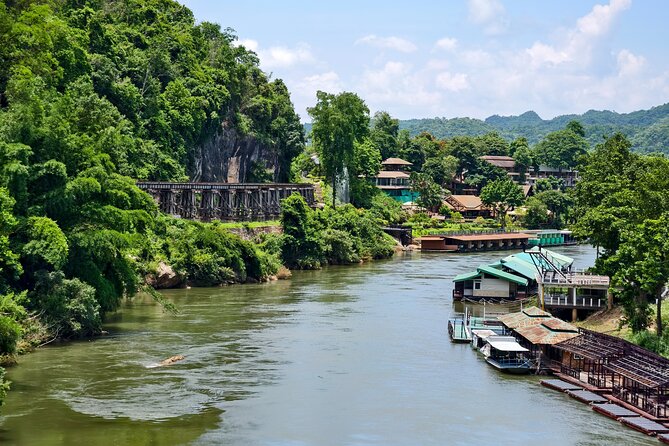
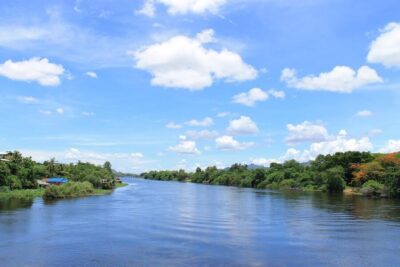
Then you shift gears with a long-tail boat ride along the River Kwai for about 30 minutes. This is one of the best pacing choices in the whole day.
After museums and memorials, the river offers a different kind of focus: movement, water sounds, and wide views. Even if you’re still thinking about WWII as you ride, the boat makes room for a quieter state of mind. It’s a change in tempo, and it helps you carry the emotional parts without feeling crushed by them.
This is also where the day becomes more “Kanchanaburi,” not just “WWII stops.” You’re seeing the region from the water, and it gives the tour a more balanced feel.
Practical note: bring sunglasses and something for sun protection if it’s bright. A short boat ride can still feel strong in the afternoon light, and you’ll want to protect your eyes while you take in views.
Chong Kai War Cemetery: A Calm Close with Weight
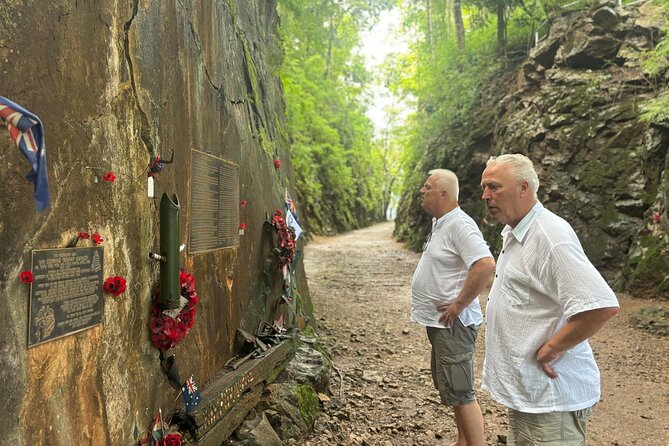
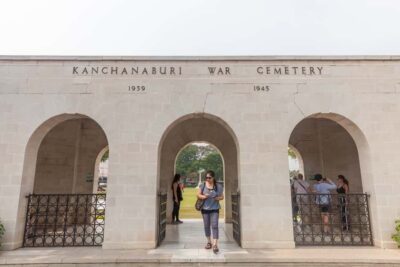
To end, you visit Chong Kai War Cemetery for about 30 minutes. Compared to the busier memorial stops, this one tends to feel more still and reflective. It’s a peaceful memorial for WWII Allied soldiers, and it gives you an emotional landing.
This is the kind of final stop that can make the whole day stick with you. By now, you’ve already learned about POW sacrifices, ridden the Death Railway, seen the river bridge, and taken a boat ride. The cemetery helps tie the story together on a human level, without distractions.
How to make it meaningful without feeling overwhelmed: give yourself enough time to walk slowly and read what’s there. But also don’t force yourself to absorb every detail if you’re feeling heavy. A memorial visit doesn’t require suffering; it requires respect and attention at your own pace.
Price and Value: What $110.68 Buys You Here
At $110.68 per person, this tour can look like a splurge—until you break down what’s included.
You’re getting:
- Site admissions at major stops (including the Hellfire Pass memorial area and the cemetery)
- Lunch at a local restaurant
- The historic train ride and the long-tail boat ride
- Time at scenic and symbolic stops like Tham Kra Sae Bridge and the Bridge on the River Kwai
- Pickup offered (and it returns you to the start area in the end)
In other words, you’re not paying extra for each transport hop and each entrance separately. And because it’s private, the experience often feels more like a guided day with attention than a hurried transfer schedule.
The other value factor is the guide. One review specifically praised a guide named Ricky and the driver Mr Lat, calling them informative and funny and noting they went out of their way to show the route and keep the day moving well. Even if you don’t get the same pair, the pattern matters: this is a tour that relies on storytelling to connect the places.
Who Should Book This Tour (and Who Might Want Something Else)
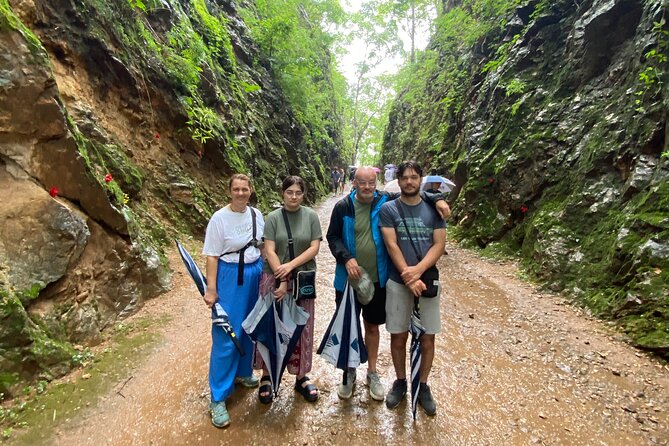
This tour fits best if you:
- Want a single day that covers the biggest Kanchanaburi WWII-related sites in a logical order
- Prefer guided context over reading signs alone
- Like having a balance of intensity and calmer scenery (especially the boat ride)
You might hesitate if you:
- Know you don’t handle WWII memorial content well
- Want a super flexible schedule where you can roam freely without a set sequence (the day is structured)
Most people can participate, but plan for walking during the Hellfire Pass trail and being on board for train and boat segments. This is not a “sit all day” outing.
Practical Tips So Your Day Runs Smoothly
A few things that will help you get the best experience:
- Wear comfortable, grippy shoes for the Hellfire Pass walking trail.
- Report food allergies when you book, since lunch is part of the plan.
- Bring sun protection for the river and outdoor bridge viewpoints.
- Keep your camera ready for the Krasae Bridge cliffside visuals, but be ready to move because the stop is short.
- Ask your guide one or two questions during the train ride. That’s when the story becomes personal and the scenery becomes meaningful.
Also, the tour provides mobile tickets, which saves time when you arrive at sites.
Should You Book the Kanchanaburi Hellfire Pass History Tour?
If you want a day that’s both educational and thoughtfully paced, I’d recommend booking. The strongest case is the combination: Hellfire Pass gives context, the Death Railway train ride makes the story spatial, the River Kwai Bridge adds symbolism, and the long-tail boat prevents the day from becoming purely heavy.
You should book if you’re the kind of traveler who likes seeing history in place, not just in brochures. But if memorial content emotionally hits hard, go anyway—just prepare yourself mentally and take breaks when you need them.
In short: this is a structured, high-value day where the transport isn’t random. Each segment supports the next, and that’s why it works.
FAQ
How long is the Kanchanaburi Hellfire Pass History tour?
The tour runs for about 9 hours (approximately).
Is pickup included?
Pickup is offered, and the activity lists a start point at Paddle More Thailand in Kanchanaburi. The tour ends back at the meeting point area.
Does lunch come with the tour?
Yes. You’ll enjoy lunch at a local restaurant during the day.
What main stops are included?
The tour includes Hellfire Pass Memorial Museum and the walking trail, Tham Kra Sae Bridge, a Death Railway train ride with time at the Bridge on the River Kwai, a long-tail boat ride on the River Kwai, and Chong Kai War Cemetery.
Are admission tickets included?
Yes. Admission tickets are included for the major stops listed in the tour (Hellfire Pass Memorial Museum, Tham Kra Sae Bridge, River Kwai Bridge/rail segment, long-tail boat ride, and Chong Kai War Cemetery).
What if I have food allergies?
You must report food allergies. Lunch is included, so it’s important the provider knows your needs ahead of time.
What is the cancellation window for a full refund?
You can cancel up to 24 hours in advance for a full refund, based on the experience’s local time.
More Tours in Kanchanaburi
More Tour Reviews in Kanchanaburi
Out to the River Kwai
Just In: Fresh Kanchanaburi Reviews
Kanchanaburi & River Kwai, compared.
 ★ 4.5From Bangkok: Erawan Park & Kanchanaburi Small-Group TourFrom $591,582 reviews
 ★ 4.6From Bangkok: Death Railway & Hellfire Pass Tour with LunchFrom $82931 reviews
 ★ 4.6From Bangkok: Historical Day Tour to River KwaiFrom $51868 reviews
 ★ 4.8From Bangkok: Elephant Sanctuary and Kanchanaburi TourFrom $79826 reviews
 ★ 4.9Elephant Sanctuary & Erawan Waterfall TourFrom $181820 reviews
 ★ 4.5Bridge on the River Kwai and Thailand-Burma Railway TourFrom $108658 reviews
 ★ 4.5Erawan Waterfalls and Bridge Over River Kwai Tour from BangkokFrom $56372 reviews
 ★ 4.5Bridge on the River Kwai and Thailand-Burma Railway Guided TourFrom $94353 reviews
Browse the lists this tour appears in