
Review · KANCHANABURI & RIVER KWAI
Kanchanaburi: River Kwai and Death Railway Day Tour
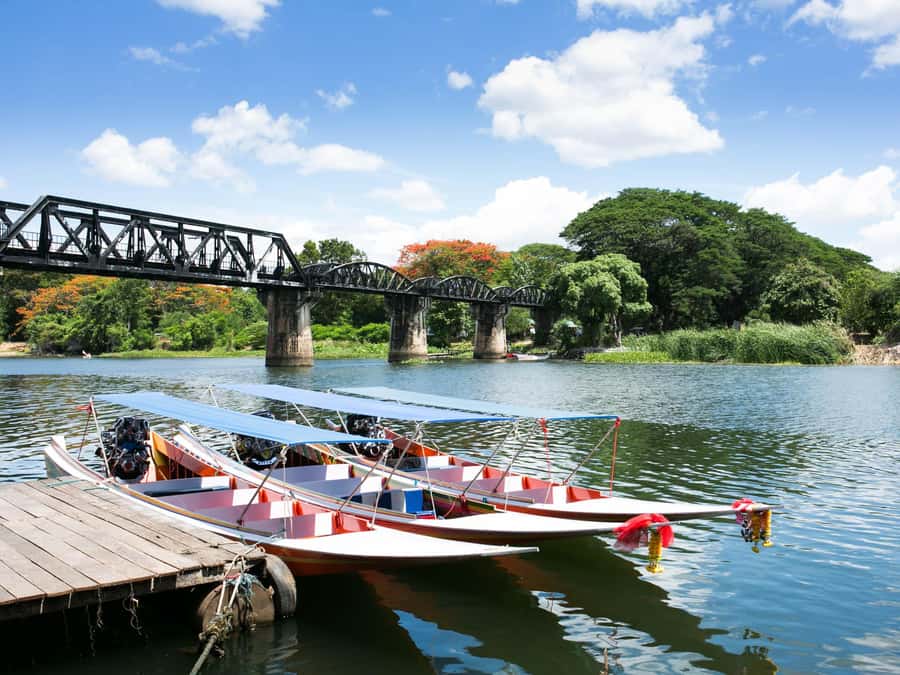
One day, three kinds of history hit. This small-group Kanchanaburi: River Kwai and Death Railway tour pairs a respectful visit to the Kanchanaburi War Cemetery and JEATH Museum with two of the area’s most famous stops: the Bridge over the River Kwai and Wat Tham Suea, the Tiger Cave Temple. I especially like the way the guide ties the names, dates, and objects you see to the larger story, and I like the practical pacing for an 8-hour day. One possible drawback: you get train views at Tham Krasae Station, not a full train ride.
The day runs smoothly from an air-conditioned van, with pickup options in Mueang Kanchanaburi and a limit of 9 people for a calmer feel. If you want a guided day that mixes moving memorials with photo time at major landmarks (including tiger paw prints and an 18-meter Buddha), this fits well. Just note the temple dress rules and the steep climb at Tiger Cave Temple—this isn’t set up for mobility limitations.
In This Review
- Key highlights worth planning for
- Getting to Kanchanaburi the easy way: pickup, van comfort, small-group pace
- Kanchanaburi War Cemetery and JEATH Museum: meeting the people behind the sites
- Bridge over the River Kwai and Tham Krasae Station: classic sights with train spotting time
- Lunch window and a local café coffee break that keeps the day human
- Wat Tham Suea (Tiger Cave Temple): tiger paw prints, an 18-meter Buddha, and the steep climb
- Responsible tourism touches: glass water, carbon offsets, and a gentler footprint
- Price and value: is $96 per person fair for this full 8 hours?
- Who this tour suits best (and who should skip)
- Should you book this Kanchanaburi River Kwai and Death Railway day tour?
- FAQ
- What’s the duration of the tour?
- Where are the pickup options?
- Is lunch included?
- What entrance fees are covered?
- Do I need to bring water?
- What should I wear for the temple stop?
- What weather items should I bring?
- Is the tour suitable for mobility impairments or pregnancy?
- How do I know where to meet the guide?
Key highlights worth planning for
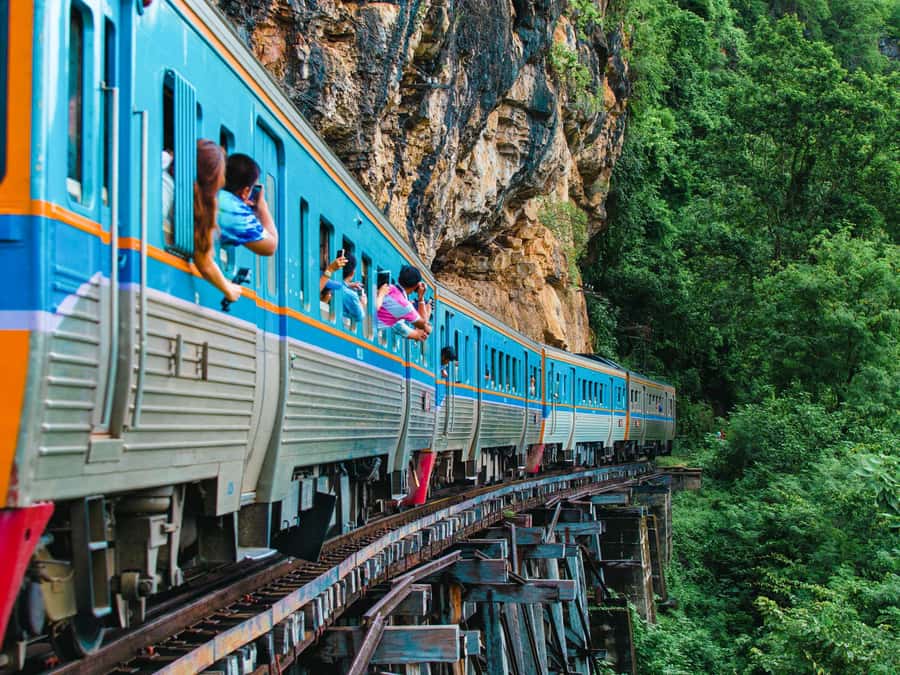
- GSTC-certified, responsible touring with low-impact touches like water in glass bottles and carbon offset credits
- JEATH Museum explains the Death Railway through artifacts and recreated living conditions
- Bridge over the River Kwai stop makes those history lessons feel real and specific
- Tham Krasae Station delivers dramatic cliffside train spotting time for photos
- Tiger Cave Temple includes tiger paw prints and an 18-meter-tall Buddha at the top
- Small group (up to 9) keeps the day flexible and less crowded than big bus tours
Getting to Kanchanaburi the easy way: pickup, van comfort, small-group pace
This is the kind of day tour where logistics don’t steal the fun. You either get picked up from a hotel/registered accommodation or you can meet your guide at the Kanchanaburi Bus Terminal. Pickup is from specific areas in Mueang Kanchanaburi, and the team will email you the evening before to confirm the pickup time and meeting point. Plan to be ready about 10 minutes early—this keeps the schedule tight and stress-free.
Once you’re in the van, it’s straight to the first stop. The ride is air-conditioned, and the group stays small (up to 9). That matters because this isn’t only a sightseeing day; it’s a day that includes quiet memorial time. A smaller group helps you keep your head in the right place instead of constantly reacting to tour-chaos energy.
What I like most about the pace: it starts early, so you’re not rushing at the first site, and you have time to slow down where it counts. You also get a built-in rhythm: memorials, museum, a landmark stop, a lunch window, then the temple climb later in the day.
One note for your planning: the tour can be a full day of walking (including a steep climb). If your schedule is already tight, or you’re hoping for an effortless, fully flat route, this probably won’t be the right fit.
Out to the River Kwai, more Kanchanaburi trips
- Bangkok: 2-Day River Kwai & Erawan National Park Tour
★ 4.8 · 125 reviews - Kanchanaburi River Kwai & Hellfire Pass Private Tour
★ 4.7 · 113 reviews - Kanchanaburi: Erawan Waterfall & Train Full-Day Tour
★ 4.8 · 57 reviews
Kanchanaburi War Cemetery and JEATH Museum: meeting the people behind the sites
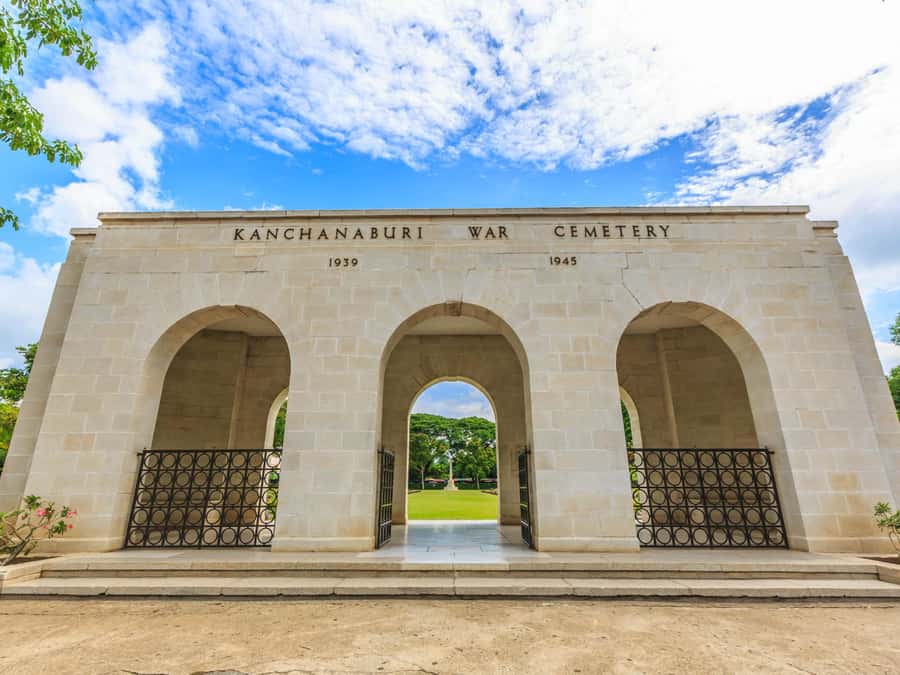
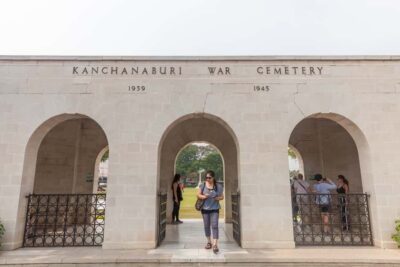
The heart of this day is the memorial work. You start at the Kanchanaburi War Cemetery, where you walk through well-kept grounds and pay respect to the soldiers, prisoners of war, and civilians who lost their lives while working on the Death Railway (also called the Siam-Burma Railway) under the Japanese Empire.
This part of the experience is more than a photo stop. You’re not just seeing headstones; you’re learning the context that turns the place into a story you can actually hold in your mind. The guide’s job is to help you connect what you’re reading on plaques and gravestones to the bigger wartime network that brought people here.
Next comes the JEATH War Museum, built to commemorate those who died while working on the railway during World War II. The museum name comes from nationalities represented in the POW labor system: Japanese, English, Australian, American, Thai, and Hollander. That detail matters, because it signals the museum’s approach: multiple backgrounds, one brutal shared experience.
Inside, you’ll see items such as weapons, tools, uniforms, medals, and replicas showing living conditions. There’s also something practical here: the guide helps you understand what those objects likely meant day to day. In a museum like this, the difference between “seeing things” and “understanding things” often comes down to how the tour explains them. The guides on this route are repeatedly praised for being energetic and knowledgeable, and for making the explanations clear in English—something you’ll notice quickly once you start hearing how the railway was built and what life could be like for workers.
My advice before you go: give yourself a few minutes of mental space at the cemetery. Don’t try to “power through.” If you treat it like a checklist, you’ll miss what the sites are trying to do.
Bridge over the River Kwai and Tham Krasae Station: classic sights with train spotting time
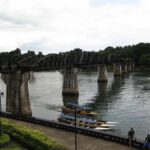
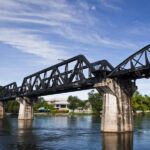
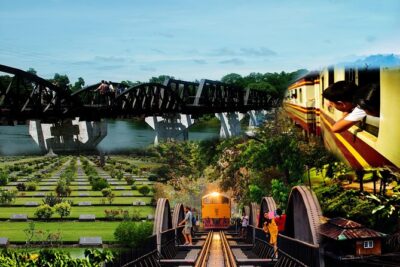
After the heavier emotional weight of the cemetery and museum, the tour moves into the places most people recognize from popular history lessons. The Bridge over the River Kwai stop is brief, but it’s timed well so it doesn’t feel like a random detour. This is where you can look at the structure and let your earlier learning click into place.
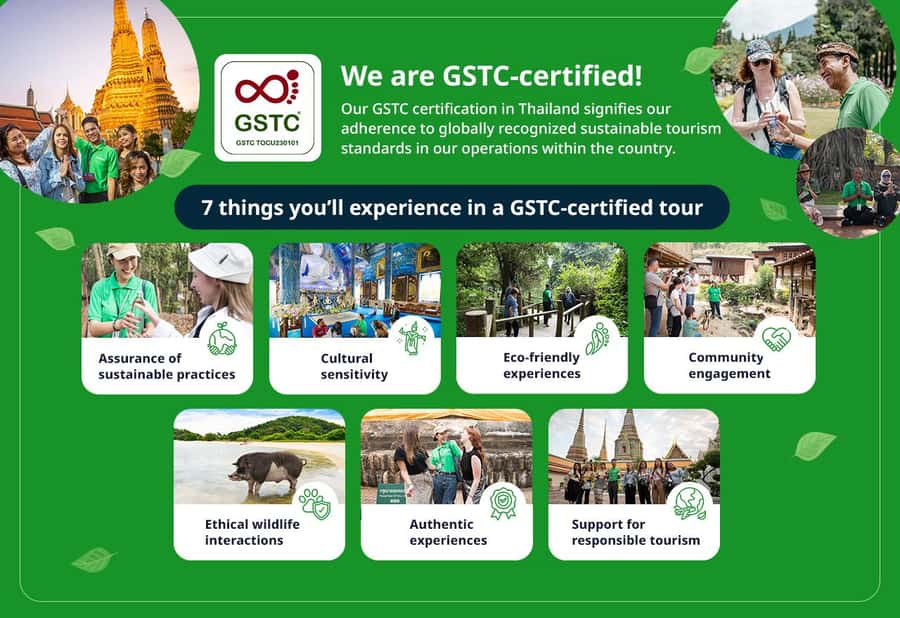
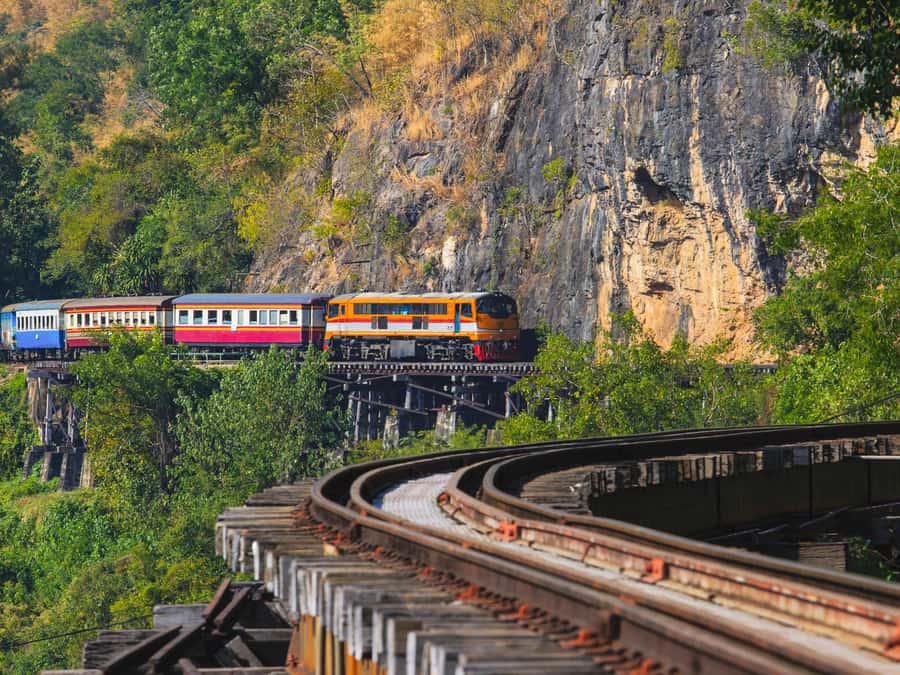
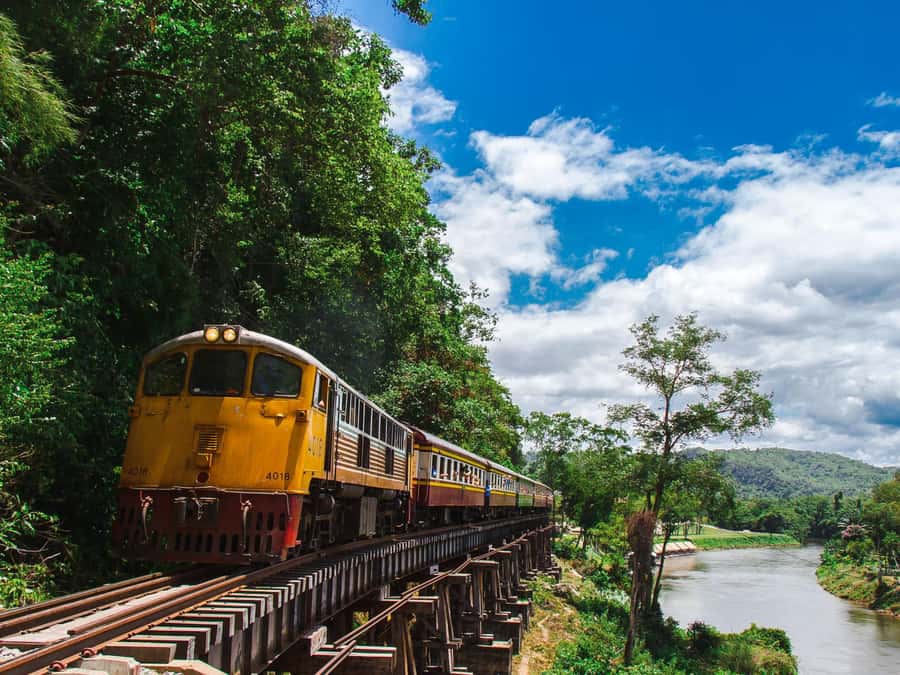
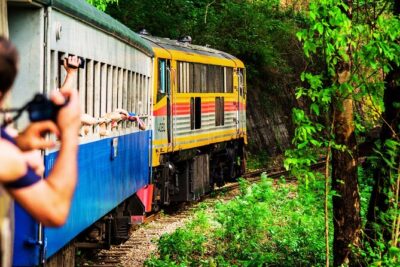
Then you head to Tham Krasae Station, a scenic stretch where the railway winds around a cliff. You’ll have lunch during this section, plus time to look around and spot trains as they pass. This is one of those Thailand “small moments” that can be oddly satisfying: you get wide views, a strong sense of scale, and the sound of trains moving through a dramatic setting.
What’s special here: the station isn’t just scenic—it’s a working reminder that the railway line still shapes what the area is like today. Even if you don’t stay long, you’ll feel the geography behind the famous story.
One consideration: depending on your expectations, you might wonder about trains beyond watching them. The tour description emphasizes sightseeing at the station rather than a full train ride experience. If you’re hoping for a ride itself, this may feel like a mismatch.
Lunch window and a local café coffee break that keeps the day human
Lunch isn’t included, but you are given time to eat during the Tham Krasae Station portion. That’s helpful because it means you don’t lose the day to chasing food options between stops.
There’s also a coffee break at a local café before the final temple visit. This is a small detail that pays off. By the time you reach Wat Tham Suea, you’ll appreciate anything that restores energy—especially because the climb is steep.
If you’re traveling with a camera, this is also a good time to reset: charge your phone, wipe the lens, and decide what you actually want to photograph at the Tiger Cave Temple. Waiting until the last stop sometimes turns your photos into hurried snapshots.
Wat Tham Suea (Tiger Cave Temple): tiger paw prints, an 18-meter Buddha, and the steep climb
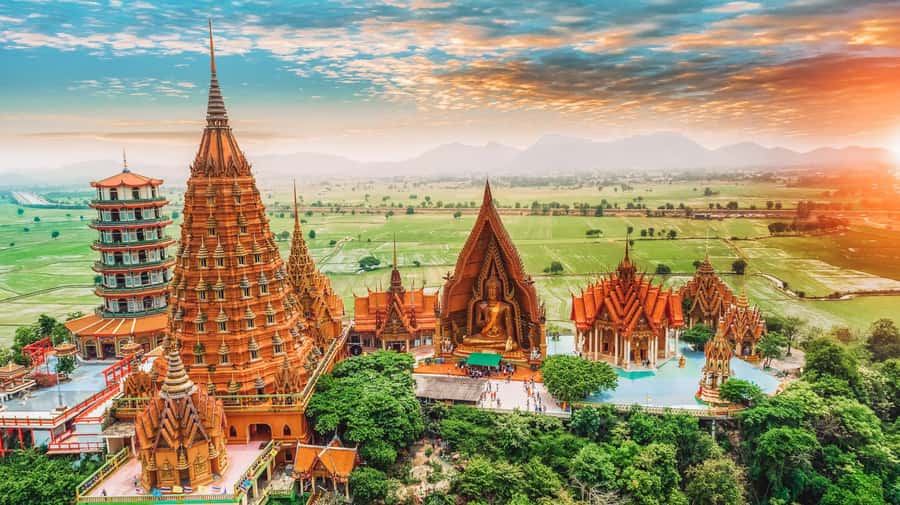
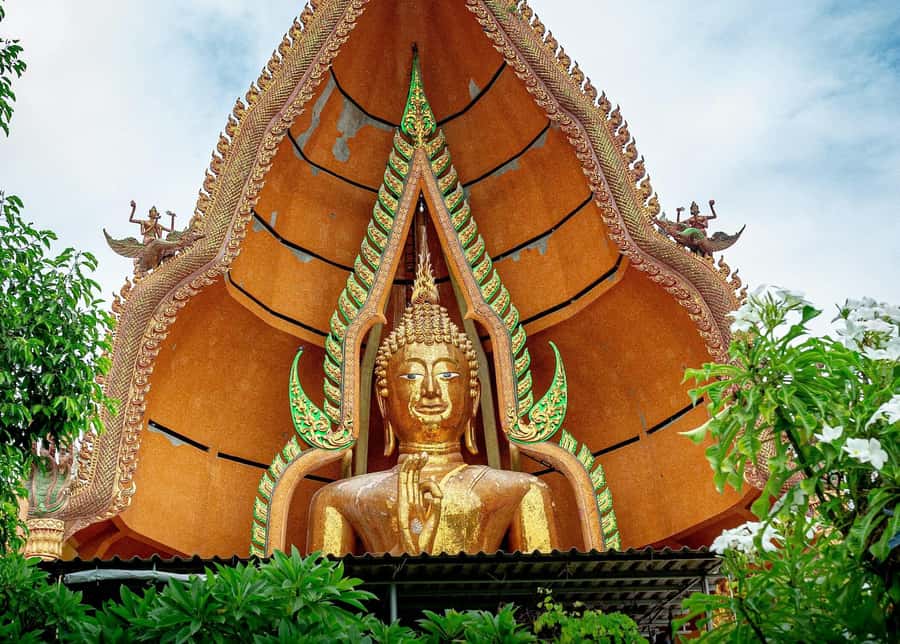
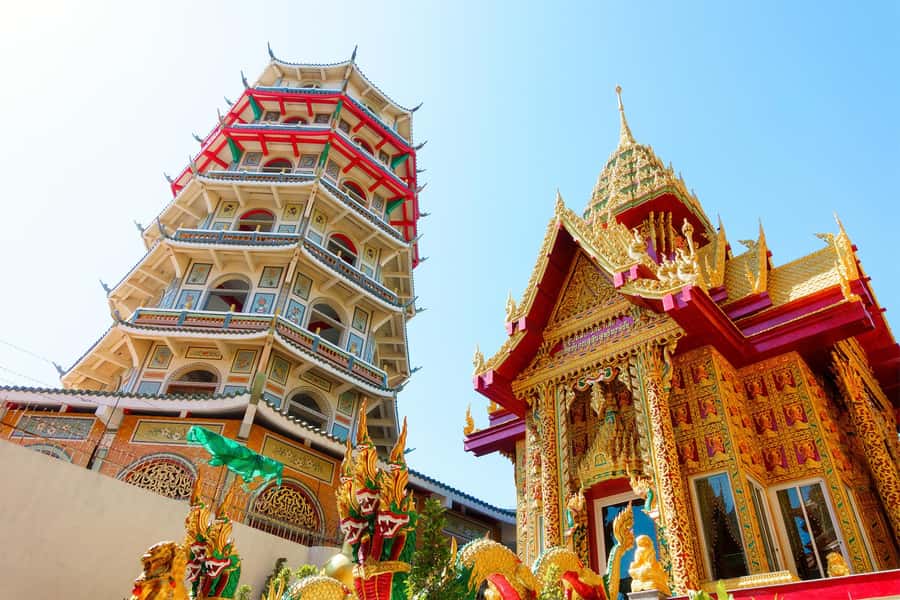
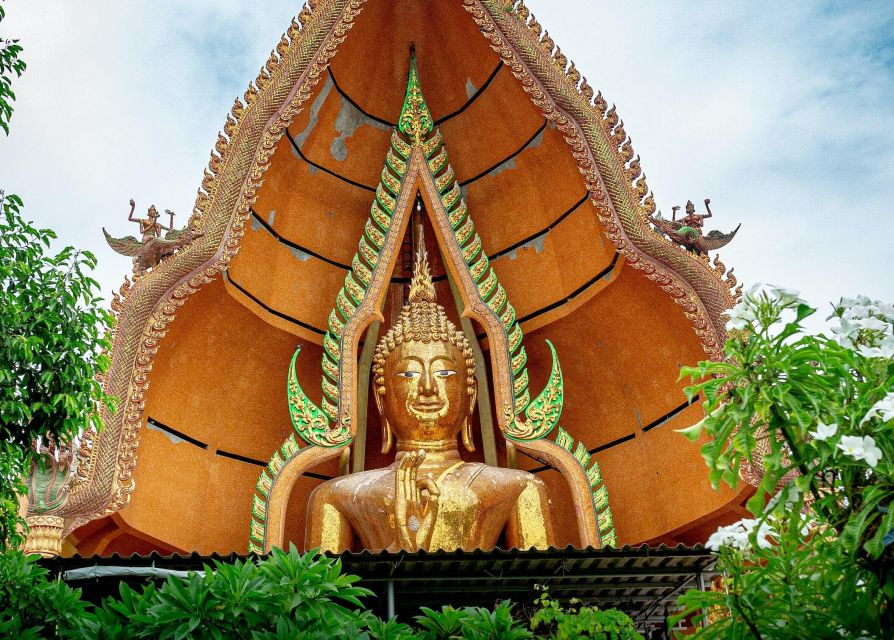
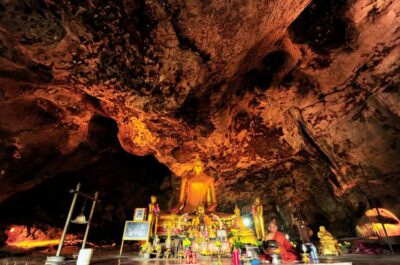
Wat Tham Suea, also known as the Tiger Cave Temple, is the big finale. Expect tiger-themed details right away—tiger paw prints on the cave walls are a signature feature you don’t want to skip. Then the main payoff: an 18-meter-tall Buddha statue at the top.
The route includes a steep hike. That hike is also part of why the temple is memorable. As you climb, you get closer to the statue and you start to feel the scale of the hill and the surrounding area around it. At the top, you’ll have a close-up view of the Buddha and time for photos.
This is where your footwear and clothing matter. The tour requests proper attire for temples: avoid shorts and short skirts, and keep it covered enough to respect the site. Even if the sun is brutal, dress rules come first. Bring sunglasses, sunscreen, and a sun hat—this day includes outdoor walking and climbing in daylight.
A human note (and a real-world reason to like the guides here): some guides on this route are specifically praised for being thoughtful with guests who need extra help. If you have limitations like difficulty with stairs or walking pace, it’s still not marketed as suitable for mobility impairments, but the on-the-ground support can make a difference in how tolerable the climb feels.
Responsible tourism touches: glass water, carbon offsets, and a gentler footprint
This tour is presented as low-impact and responsible, not just “let’s see temples” tourism. You’ll have drinking water provided in glass bottles, and the experience includes carbon emissions offset credits for each tour.
It may sound like a small checkbox, but it affects the vibe of the day. When you’re visiting memorial sites and learning about wartime suffering, it helps when the tour also takes environmental and operational responsibility seriously. It’s also a practical bonus: glass-bottled water is nicer than relying on you to constantly buy plastic bottles during a packed day.
The tour is also described as GSTC-certified, which signals a standard of care around responsible travel. You still have to meet the day’s physical demands, but you can feel confident the planning aims to reduce waste and prevent sloppy logistics.
Price and value: is $96 per person fair for this full 8 hours?
At $96 per person for an 8-hour small-group day, the value comes from what’s already handled for you.
Included:
- pickup and drop-off via air-conditioned transport (private tour option available)
- an English-speaking guide
- entrance fees for the JEATH Museum
- drinking water
- insurance
- carbon offset credits
Not included:
- lunch
- personal expenses
Here’s how I think about value for this kind of day: you’re paying for the guide’s ability to connect the history across several very different stops. The cemetery is where you feel the weight, the museum is where you learn the structure of what happened, and the landmarks (Bridge over the River Kwai and Tham Krasae Station) are where that learning becomes visual. Without an informed guide, that combo can turn into a “walk-through” day. With a good guide, it becomes an organized story.
Also, the small group matters. A limit of 9 people helps with timing at crowded areas and keeps the day from feeling like a herd.
Is $96 cheap? No. But for a guided history-heavy day that includes transport, museum entry, and water, it’s in the sensible zone—especially if you’d otherwise need separate tickets and separate transport to connect these sites.
Who this tour suits best (and who should skip)
This is a strong choice if you want:
- a guided day focused on the Death Railway and the bridge landmark
- a respectful memorial + museum experience
- a temple visit with real physical payoff (tiger paw prints and the 18-meter Buddha)
- small-group touring rather than big-bus chaos
It’s less ideal if:
- you’re pregnant (the tour is noted as not suitable)
- you have mobility impairments (also noted as not suitable)
- you’re hoping for an all-flat, low-walking day
- you plan to wear shorts or short skirts to temples (that won’t work here)
If your ideal day is only lounging and casual strolling, pick a different itinerary. If your ideal day includes a meaningful museum and a proper climb, this is a fit.
Should you book this Kanchanaburi River Kwai and Death Railway day tour?
Book it if you want one well-run day that connects the famous landmarks to the people who suffered—and you’re willing to dress appropriately and handle a steep climb. You also get a small-group feel and a guide who’s repeatedly praised for clarity and energy, plus photo-friendly support that can help you walk away with real memories instead of blurry chaos.
Skip it if you’re expecting a full train ride experience or if the idea of stepping into a serious WWII memorial setting doesn’t match your travel mood. Also skip if your mobility needs make the temple climb unrealistic.
If you’re on the fence, think about this: this isn’t only a sightseeing tour. It’s a chance to see major sites of the Death Railway story in a guided order that makes the details stick—then end with the Tiger Cave Temple’s tiger-themed cave art and the huge Buddha watching over the hill.
FAQ
What’s the duration of the tour?
The tour runs for about 8 hours.
Where are the pickup options?
Pickup options include Mueang Kanchanaburi District (Lat Ya) and another pickup location in Mueang Kanchanaburi District (Lat Ya). If you prefer, you can also meet the guide at the Kanchanaburi Bus Terminal.
Is lunch included?
No. Lunch is not included, though you do have time for it during the day.
What entrance fees are covered?
Entrance fees for the JEATH Museum are included.
Do I need to bring water?
Water is included. Drinking water is provided in glass bottles.
What should I wear for the temple stop?
You’ll need to dress appropriately for temples. Shorts and short skirts are not allowed, and you should avoid mini skirts and short shorts.
What weather items should I bring?
Bring sunglasses, a sun hat, and sunscreen.
Is the tour suitable for mobility impairments or pregnancy?
No. The tour is listed as not suitable for pregnant women and people with mobility impairments.
How do I know where to meet the guide?
You’ll receive an email the evening before with the pickup time and meeting point. For pickup, the guide will be holding a TripGuru sign, and you should be ready in your lobby about 10 minutes before pickup.
More Tours in Kanchanaburi
More Tour Reviews in Kanchanaburi
Out to the River Kwai
Just In: Fresh Kanchanaburi Reviews
Kanchanaburi & River Kwai, compared.
 ★ 4.5From Bangkok: Erawan Park & Kanchanaburi Small-Group TourFrom $591,582 reviews
 ★ 4.6From Bangkok: Death Railway & Hellfire Pass Tour with LunchFrom $82931 reviews
 ★ 4.6From Bangkok: Historical Day Tour to River KwaiFrom $51868 reviews
 ★ 4.8From Bangkok: Elephant Sanctuary and Kanchanaburi TourFrom $79826 reviews
 ★ 4.9Elephant Sanctuary & Erawan Waterfall TourFrom $181820 reviews
 ★ 4.5Bridge on the River Kwai and Thailand-Burma Railway TourFrom $108658 reviews
 ★ 4.5Erawan Waterfalls and Bridge Over River Kwai Tour from BangkokFrom $56372 reviews
 ★ 4.5Bridge on the River Kwai and Thailand-Burma Railway Guided TourFrom $94353 reviews
Browse the lists this tour appears in