
Review · KANCHANABURI & RIVER KWAI
Kanchanaburi River Kwai & Hellfire Pass Private Tour
A long day, with meaning at every stop. I like how this private tour hits the original Bridge over the River Kwai and then treats Hellfire Pass with the kind of care that makes you slow down. You get a guide who explains why this part of Thailand mattered during WWII, not just a checklist of places.
The trade-off is simple: it’s a long, full-day schedule with a big chunk of van time, starting at 7 AM. You’ll want decent energy and shoes, because Hellfire Pass is the walking part of the day.
In This Review
- Key moments that make this tour work
- 7 AM Bangkok Pickup to Kanchanaburi: A Van Trip Worth Taking
- JEATH War Museum and Cemetery: Learning the Burma–Siam Railway Story
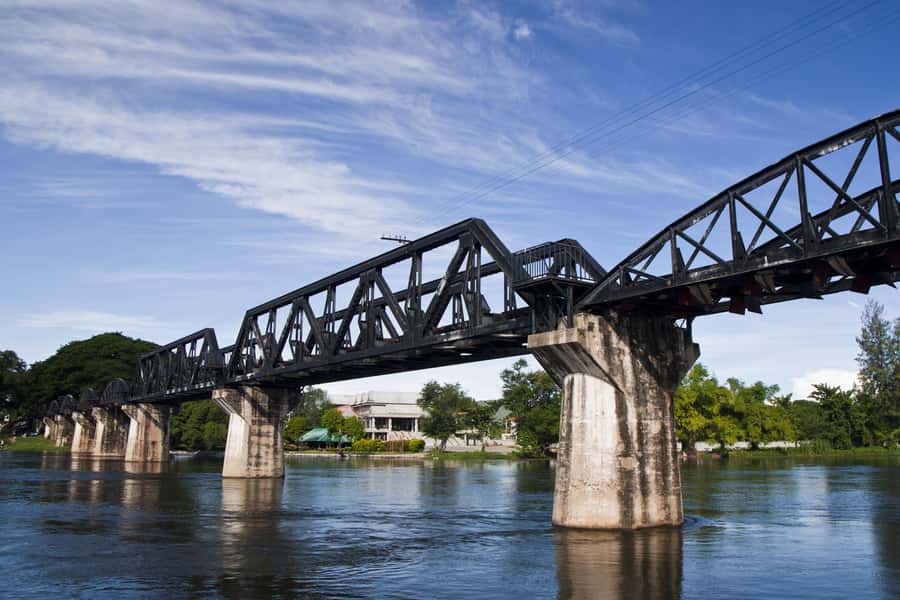
- The Original Bridge Over the River Kwai: Seeing History, Not a Movie Set
- Death Railway Train Ride: Short Time, Big Impact
- Lunch in Kanchanaburi: Real Food Energy Before Hellfire Pass
- Hellfire Pass Memorial Museum and Walking Trail: Wear Shoes, Bring Respect
- River Kwai Free Time and Saiyoke Noi Waterfall: A Scenic Reset (Not a Swim Plan)
- Price and Value: Why $173 Can Be a Smart Spend for a Private Day
- Who This Tour Suits Best (and Who Might Want a Different Setup)
- Should You Book? My Decision Rule for This Private Day
- FAQ
- What time do you get picked up in Bangkok?
- How long is the tour?
- Is the tour private and is the guide English-speaking?
- Which WW2 sites are included?
- Do you include lunch?
- Do you ride the Death Railway by train?
- What should I wear for Hellfire Pass?
- Is swimming at Saiyoke Noi required?
- What’s the cancellation policy?
Key moments that make this tour work
- Door-to-door style pickup in Bangkok at 7 AM, then straight into the Kanchanaburi drive
- Guided stops at the JEATH War Museum and the war cemetery, with WW2 context built in
- The original Bridge over the River Kwai, visited with on-site explanation
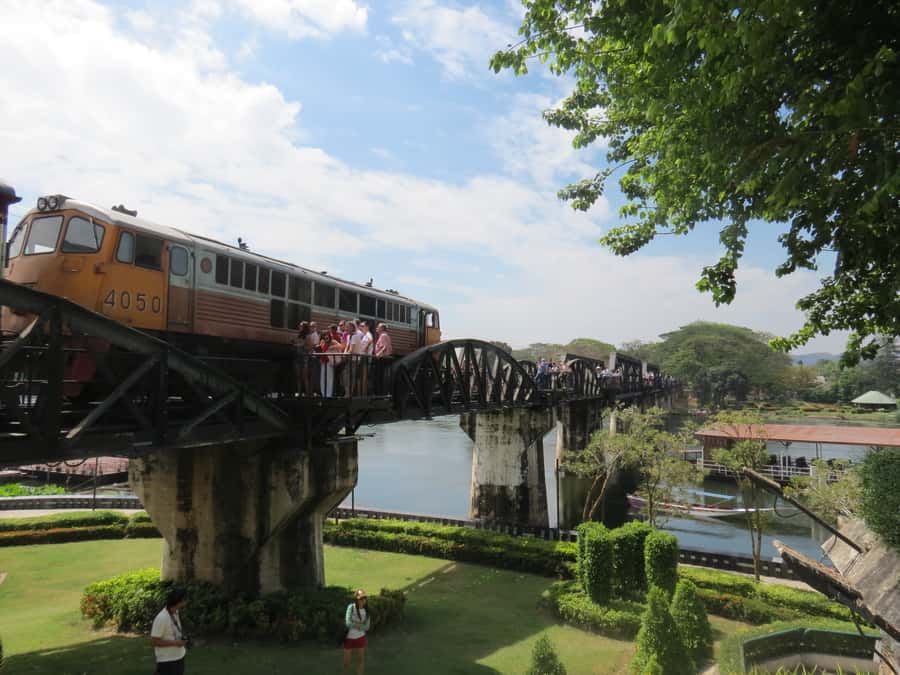
- A panoramic ride on the Death Railway, with your guide aiming for good viewing
- Hellfire Pass Memorial Museum plus a walking trail, so the memorial lands in your body, not just your brain
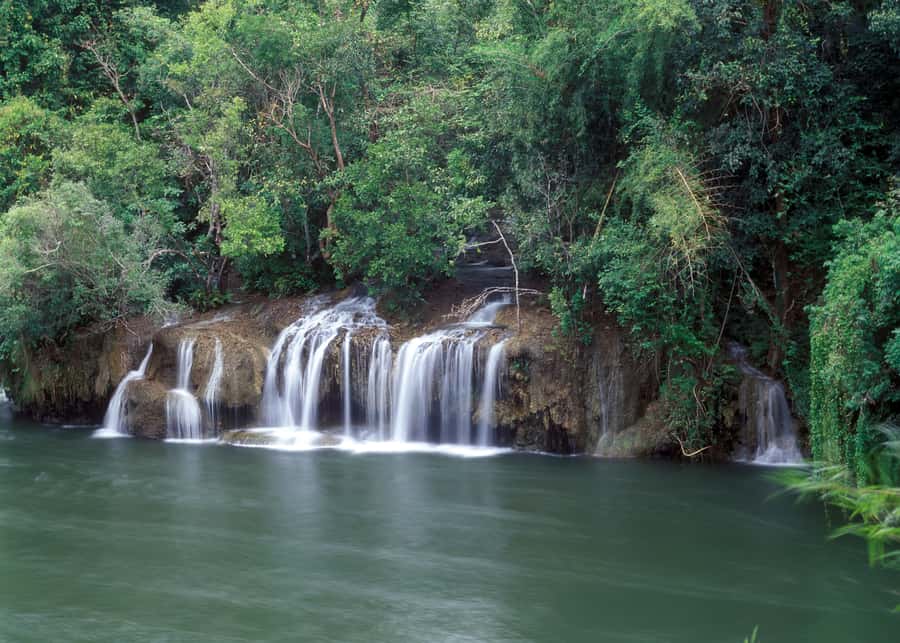
- Saiyoke Noi waterfall as a scenic wind-down stop, not a swimming break
7 AM Bangkok Pickup to Kanchanaburi: A Van Trip Worth Taking
Your day starts early. You meet your English-speaking guide at your hotel lobby in Bangkok around 7:00 AM, and then you’re on the road for about 2 hours to reach Kanchanaburi province. It’s a lot of time in a vehicle, but it matters here: you’re not trying to squeeze in history between coffees and photo stops. You’re committing to one focused day.
This tour is private, so you’re not stuck with strangers deciding where to stand or when to move. You also get an air-conditioned vehicle and a licensed driver, which helps on hot days and long sit-down stretches.
One practical tip: keep your first hour calm. If you can, use the ride to hydrate and get your bearings so the first WW2 sites don’t feel like you’ve been rushed into them. The guide’s job is to set the story straight before you step onto the ground where it happened.
Your crew only, your own clock
- Kanchanaburi River Kwai & Hellfire Pass Private Tour
★ 4.7 · 113 reviews - BKK : Private Tour River Kwai Bridge & Train to Krasae Cave
★ 3.7 · 5 reviews
JEATH War Museum and Cemetery: Learning the Burma–Siam Railway Story
The first major stop is the JEATH War Museum, followed by the Kanchanaburi war cemetery. The museum gives you the core background for what you’re about to see: the notorious Burma-Siam railway was built by Commonwealth, Dutch, and American POWs, while the project was driven by Japanese wartime needs for better communications supporting their large army in Burma.
This is where a good guide changes everything. Without context, these places can blur into “sad WWII stuff.” With the right framing, you start connecting names, labor, and logistics to the physical evidence you’ll see later (like the bridge and the train line).
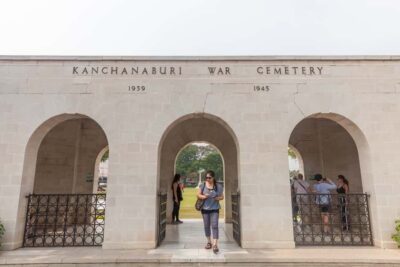
The war cemetery is another kind of experience—quiet, respectful, and easy to feel in your chest. If you prefer space to reflect, go into it knowing this is not the kind of stop you can treat like sightseeing. You’ll want to slow down, even if the day keeps moving.
Also, check whether you’ll be there on a day with ceremonies. On certain dates, there can be formal moments at the cemetery, which makes the visit feel even more immediate.
The Original Bridge Over the River Kwai: Seeing History, Not a Movie Set
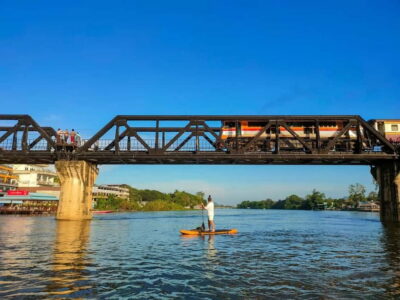
Yes, the name is famous. But the value here is that you’re not watching a story from a distance. You’re seeing the original Bridge over the River Kwai and learning how it fits into the broader Burma-Siam railway project.
Your guide walks you through the bridge’s history, using the museum context to explain what you’re looking at. That connection is the difference between photos that look dramatic and understanding why the place is emotionally heavy.
Here’s how to get more out of this stop:
- Take a few minutes to look at the structure first, before you start reading or listening closely.
- Then let your guide’s explanation “snap” the visuals into place.
If you care about WWII logistics—routes, supply, prisoner labor—this is one of the most grounded parts of the day. You can admire how the bridge works, but you also remember what it cost.
Death Railway Train Ride: Short Time, Big Impact
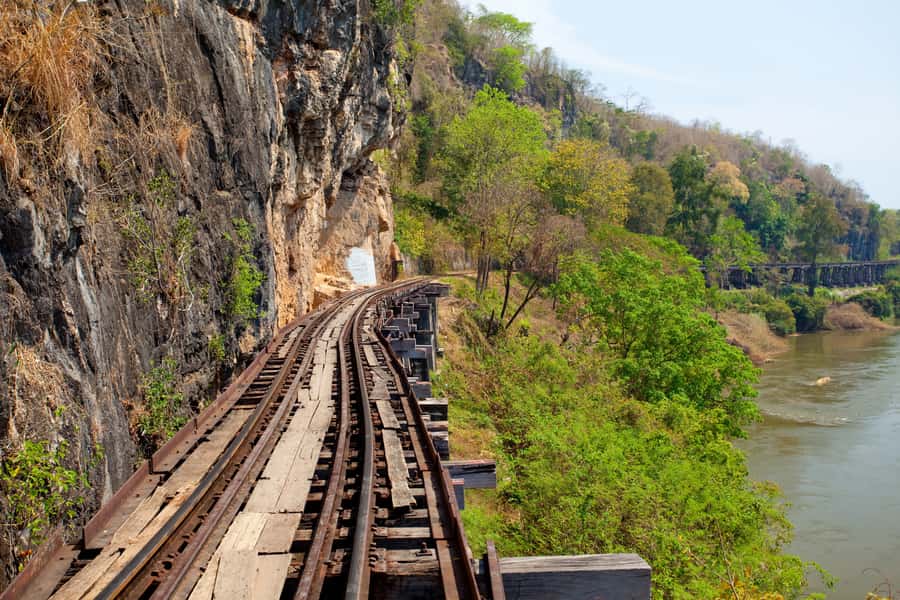
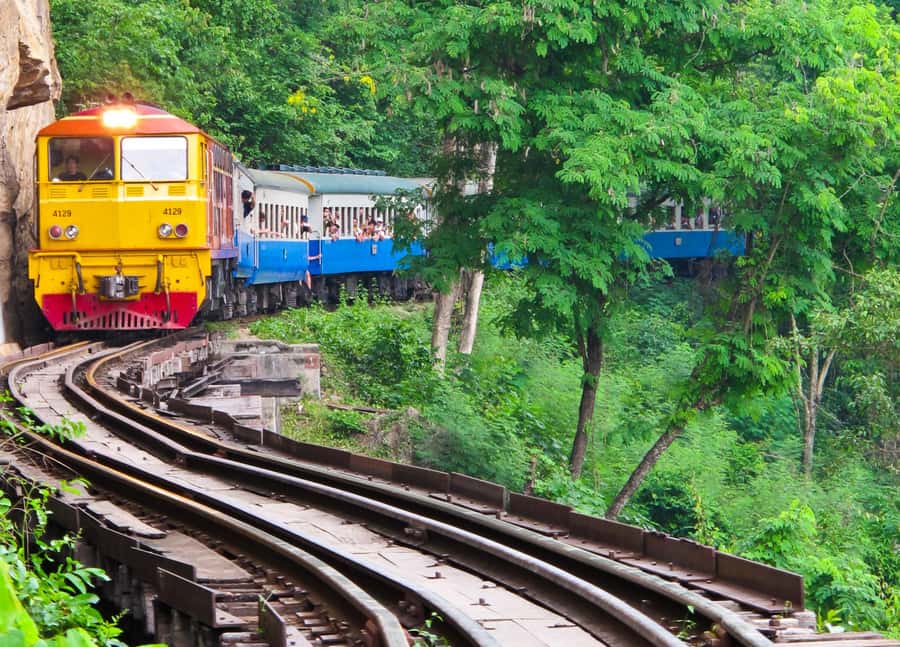
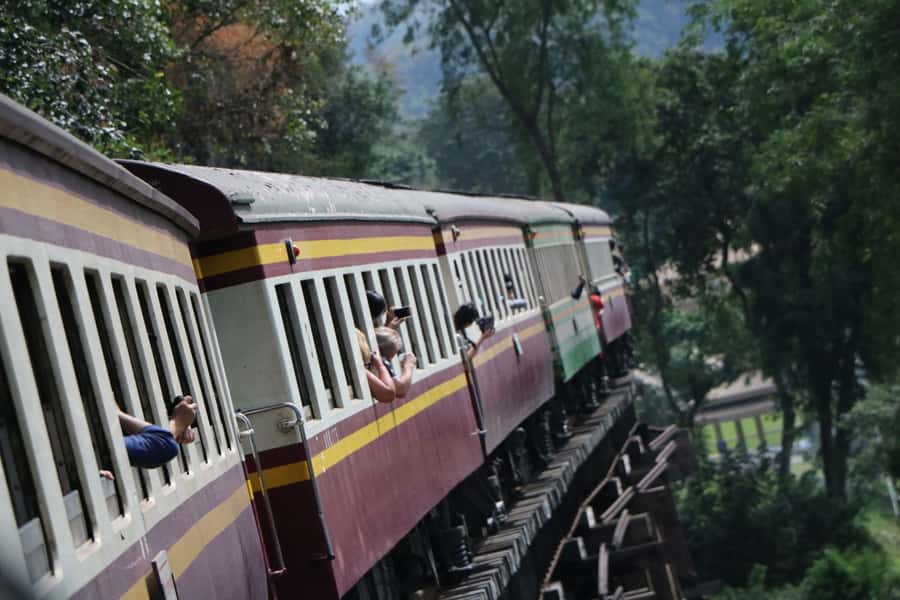
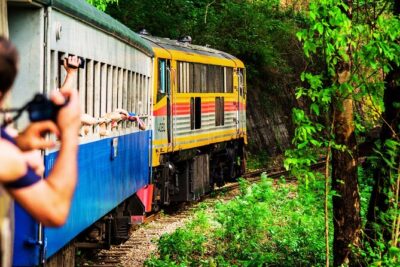
After the bridge and museum area, you’ll ride the Death Railway by train. It’s a panoramic train ride—meaning you’ll have a moving viewpoint rather than just a short shuttle.
This is one of the most praised pieces of the day because it does something special: it turns information into motion. You feel the geography the POWs were forced to endure, even if you’re traveling under completely different circumstances.
A consistent theme in guide feedback: they do their homework on seating and sightlines. People have been helped with getting good seats, and your guide tends to point out the best places to look—especially around key views when the train crosses areas near the Kwai.
Time-wise, it’s not an all-day rail adventure, but emotionally it lands hard. If you’re a WWII history fan, this is the moment that makes the day feel “complete” instead of like separate stops stitched together.
Out to the River Kwai, more Kanchanaburi trips

Lunch in Kanchanaburi: Real Food Energy Before Hellfire Pass
Some tours drop you into a fast food pit and call it lunch. This one includes lunch in Kanchanaburi, and the tone from past experiences is that it’s authentic and satisfying—enough to reset you before you move into the most walking-focused memorial site of the day.
Because the rest of the itinerary includes more movement—Hellfire Pass first, then more time by the river and a waterfall stop later—lunch isn’t just about taste. It’s also about stamina. Eat like you’ll be walking afterward, not like you’re just passing through.
If you’re sensitive to heat, consider how you’ll handle it at Hellfire Pass. Lunch is your chance to refill water (you’ll have bottled water during the tour) and get your feet ready.
Hellfire Pass Memorial Museum and Walking Trail: Wear Shoes, Bring Respect
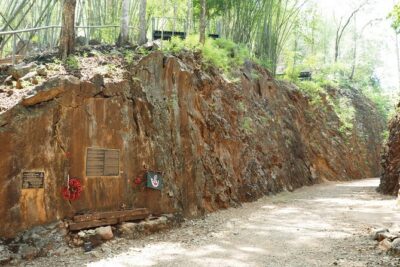
This is the signature emotional stop. You’ll visit the Hell Fire Pass Memorial Museum and the walking trail with a guided visit. The memorial honors what happened during the railway construction in this area, and the walking trail adds a physical sense of place.
The biggest practical advice is right in the basics: wear decent walking shoes. Do not treat this like a casual stroll. Even if the trail is short compared with long-hike days, the ground, the heat, and the meaning make it feel like more.
Also keep your expectations about mood set to “sober.” This is the kind of place where conversation shouldn’t be loud or bouncy. If your guide’s style is talk-heavy, you can still take control of your tone by pausing, looking, and asking only what you truly want to understand in the moment.
What makes this stop worth the time: it turns history into something you experience through your senses—sounds, footing, and the way the area shapes your view. It’s one of those places where you might not want to rush to the next “photo moment.”
River Kwai Free Time and Saiyoke Noi Waterfall: A Scenic Reset (Not a Swim Plan)
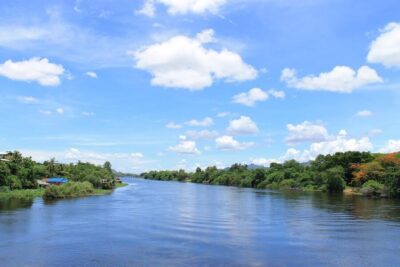
After Hellfire Pass, you’ll get free time along the River Kwai area. This is a nice buffer. It’s the part of the schedule where you can stand back, take photos without pressure, and just be a human again.
Then you’ll end the day at Saiyoke Noi, described as one of Thailand’s beautiful waterfalls. The key detail for planning: it’s a scenic stop. Swimwear is not needed because this is not set up as a swimming break. Think: stand, look, cool off with the mist if it’s available, take a few minutes, then move on.
One practical note from real experiences: Thailand weather and local conditions can affect what you see. On some days there may be smoke from burning fields that can blur the scenery. That’s not the tour’s fault, but it’s useful to know so you’re not disappointed if views aren’t crisp.
Overall, this waterfall ending works well because it gives your brain somewhere to land after the memorial heavy lifting.
Price and Value: Why $173 Can Be a Smart Spend for a Private Day
At $173 per person for an 11-hour private tour, this isn’t the cheapest way to see Kanchanaburi. But it’s also not trying to be. You’re paying for three big value pieces:
- Door-to-door time: pickup at your Bangkok hotel lobby and round-trip van time means you’re not piecing together transportation across provinces.
- A guided story, not just locations: the day is built around explanation—JEATH museum context, bridge history, Hellfire Pass meaning, and train insights.
- Included entry and experience costs: admission fees, lunch, bottled water, and the Death Railway train ride are part of what you’re getting.
If you’re traveling solo or as a small group, private can also mean less hassle and better pacing. Guides and drivers in past days have been praised for not rushing and for setting you up with comfortable timing and good train seats.
One more value angle: WW2 memorial sites can be emotionally intense. It helps to have someone managing the schedule so you don’t feel stressed trying to coordinate everything yourself.
Who This Tour Suits Best (and Who Might Want a Different Setup)
This tour is a strong fit if you:
- Want a one-day, high-impact WWII itinerary outside Bangkok
- Care about the Burma–Siam railway story told in the places where it happened
- Prefer a private guide who can adjust pacing and answer questions
- Enjoy trains enough that a rail ride is part of the attraction, not just transport
It may be less ideal if:
- You hate long days. With early pickup and major travel time, this is not a half-day excursion.
- You’re looking for a relaxed pace. This day is busy by design.
One recurring thought from practical-minded visitors: an overnight option can be easier emotionally and physically. But if you only have one day, this private route is a solid way to see the key memorial sites without doing a DIY scramble.
Also, consider comfort details. A few experiences mention that air-conditioning can feel weak on very hot days, so bring a light layer if you run cold on the ride but expect heat while outside.
Should You Book? My Decision Rule for This Private Day
Book this tour if you want one guided day that covers the core WW2 sites in Kanchanaburi, ending with a calmer scenic stop. The combination of JEATH + cemetery + the original Bridge + Death Railway train ride + Hellfire Pass Memorial walk is exactly the kind of structured arc that helps the history make sense.
Don’t book it if you want something casual, flexible, and slow. Hellfire Pass alone demands shoes, attention, and respect, and the schedule is built around fitting a lot in.
If you do book, do one thing before you go: wear the right shoes and mentally switch your mode to learn-and-reflect. You’ll get more than photos. You’ll leave with the story connected to the ground.
FAQ
What time do you get picked up in Bangkok?
You meet your guide at your hotel lobby in Bangkok at 7:00 AM.
How long is the tour?
The tour lasts 11 hours total.
Is the tour private and is the guide English-speaking?
Yes, it’s a private tour and you’ll have an English-speaking guide.
Which WW2 sites are included?
You’ll visit the JEATH War Museum, the Kanchanaburi War Cemetery, the Bridge over the River Kwai, and the Hellfire Pass Memorial Museum and walking trail.
Do you include lunch?
Yes. Lunch is included, and you’ll have time for it during the day in Kanchanaburi.
Do you ride the Death Railway by train?
Yes. The tour includes a train ride on the Death Railway.
What should I wear for Hellfire Pass?
Wear decent walking shoes, since you’ll do a walking trail at the memorial.
Is swimming at Saiyoke Noi required?
No. Swimwear is not needed because Saiyoke Noi is a scenic stop, not for swimming.
What’s the cancellation policy?
You can cancel up to 24 hours in advance for a full refund.
More Tour Reviews in Kanchanaburi
Out to the River Kwai
Private Days, Just Your Crew
Just In: Fresh Kanchanaburi Reviews
Kanchanaburi & River Kwai, compared.
 ★ 4.5From Bangkok: Erawan Park & Kanchanaburi Small-Group TourFrom $591,582 reviews
 ★ 4.6From Bangkok: Death Railway & Hellfire Pass Tour with LunchFrom $82931 reviews
 ★ 4.6From Bangkok: Historical Day Tour to River KwaiFrom $51868 reviews
 ★ 4.8From Bangkok: Elephant Sanctuary and Kanchanaburi TourFrom $79826 reviews
 ★ 4.9Elephant Sanctuary & Erawan Waterfall TourFrom $181820 reviews
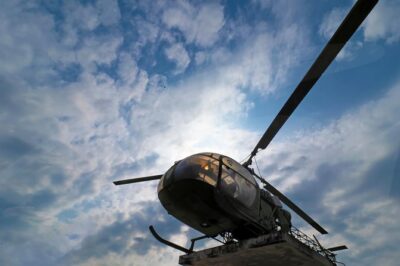 ★ 4.5Bridge on the River Kwai and Thailand-Burma Railway TourFrom $108658 reviews
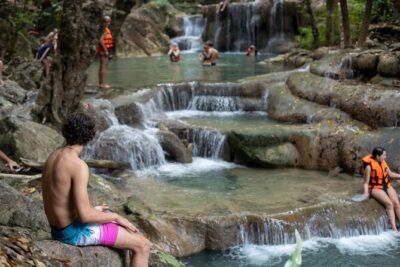 ★ 4.5Erawan Waterfalls and Bridge Over River Kwai Tour from BangkokFrom $56372 reviews
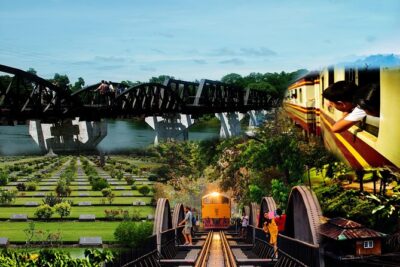 ★ 4.5Bridge on the River Kwai and Thailand-Burma Railway Guided TourFrom $94353 reviews
Browse the lists this tour appears in