
Review · CHINATOWN TOURS
Local Life, Culture & Food Walking Tour at Chinatown
Bangkok’s Chinatown is where the city smells like food first.
On this Local Life, Culture & Food Walking Tour, I like that you start with real neighborhood details and finish with Thai-Chinese street tastings you can’t easily recreate on your own. The walk links temples, shrines, old architecture, and the day-to-day market scene, all tied together with guide stories that make the area feel readable instead of random. Guides such as Sunee, Ms. Kaew, and JoJo all show up in the same theme: lots of answers, not a rushed checklist.
I especially love two things. First, the tour is built around small-group time—you get room to ask questions and linger at places that catch your eye. Second, the food portion focuses on Thai-Chinese classics you actually want to eat again, including crispy pork belly, handmade dumplings, and herbal teas. There’s also a strong sense of how everyday faith and community traditions show up on the street, not just inside a landmark.
One thing to consider: this is a walking tour. You’ll want comfortable shoes, and it’s not suitable for wheelchair users. If you’re traveling with large luggage, you’ll have to keep it out of the mix.
In This Review
- Key highlights worth planning around
- Why Chinatown starts at Odeon Circle (not a random street corner)
- Old shophouses, temples, and shrines where incense is part of the schedule
- Talad Noi: the oldest Chinese-Thai community you can feel on the street
- Market walk: herbal remedies, trinkets, and things you’ll want to ask about
- Thai-Chinese street food tastings: crispy pork belly, dumplings, and herbal tea
- Small group energy: guides like Sunee, JoJo, and Ms. Kaew make it personal
- Price and value: what $75 buys you in Chinatown
- Practical tips so your walk feels easy, not stressful
- Should you book this Chinatown Local Life, Culture & Food Walk?
- FAQ
- Where is the meeting point for the Chinatown walking tour?
- Is the tour wheelchair accessible?
- What should I bring?
- Does the tour run in bad weather?
- Are food and drinks included, and can the tour handle allergies?
- What languages are available for the guide?
- What happens if I cancel?
Key highlights worth planning around
- Odeon Circle kick-off: the neighborhood’s big gateway, plus stories to set the scene fast
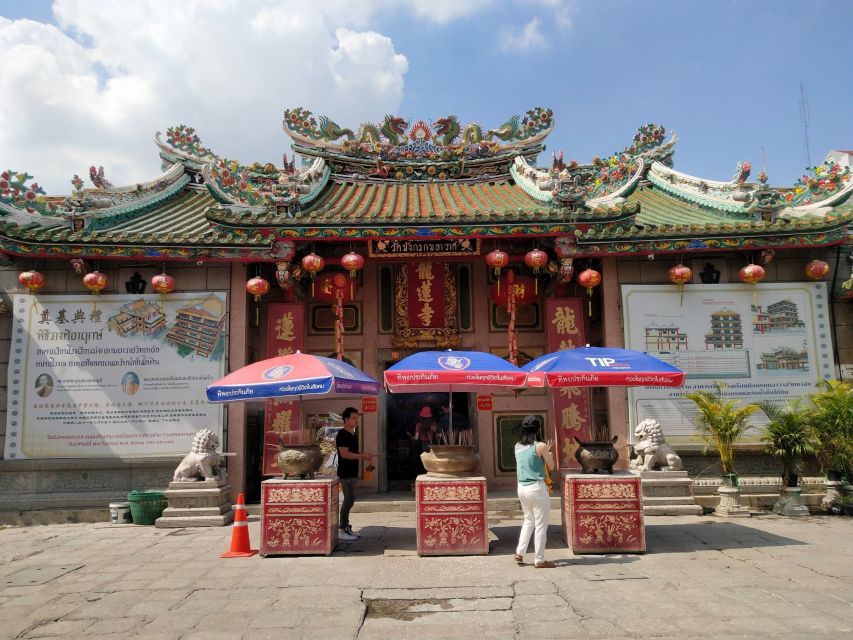
- Temples and incense-lined shrines: gold details, religious routines, and meaning you’ll actually understand
- Talad Noi focus: the oldest Chinese-Thai community feeling very present in daily streets
- Thai-Chinese street-food tastings: crispy pork belly, dumplings, and herbal tea as cultural glue
- Old shophouse architecture: look closely at the buildings, not just the crowds
- Guide-led Q&A: I like how guides such as Sunee and JoJo are described as answer-anything friendly
Why Chinatown starts at Odeon Circle (not a random street corner)
You meet at MRT Wat Mangkon Station, exit 1, near the Plaeng Nam intersection. That’s a good spot because it gives you an easy Bangkok anchor point, and you’re not arriving blind into the densest backstreets right away.
From there, the tour begins at Odeon Circle. This matters more than it sounds. Odeon Circle isn’t just a landmark; it’s a mental orientation. Your guide sets up what Chinatown used to be, then connects that to what you’re going to see today—especially the Chinese influence on Thai life here. It’s the kind of start that helps the rest of the walk make sense, like you’re reading the neighborhood with subtitles instead of guessing at every turn.
Once you’re moving, the tour keeps nudging you to look beyond the obvious photo angles. I like that the guide’s stories are tied to streets and buildings you might otherwise treat like background. The goal is to help you notice patterns: why certain shrines appear where they do, how markets cluster, and how everyday faith and commerce share the same narrow lanes.
Deeper into Yaowarat after dark
- Bangkok Authentic Tasting Thai-Chinatown Walking Food Tour
★ 4.9 · 852 reviews - Bangkok: Tuk Tuk Adventure Chinatown Michelin Food & Temples
★ 4.3 · 725 reviews - Bangkok Tuk-Tuk Tour by Night with Chinatown Street Food Meal
★ 5.0 · 635 reviews
Old shophouses, temples, and shrines where incense is part of the schedule
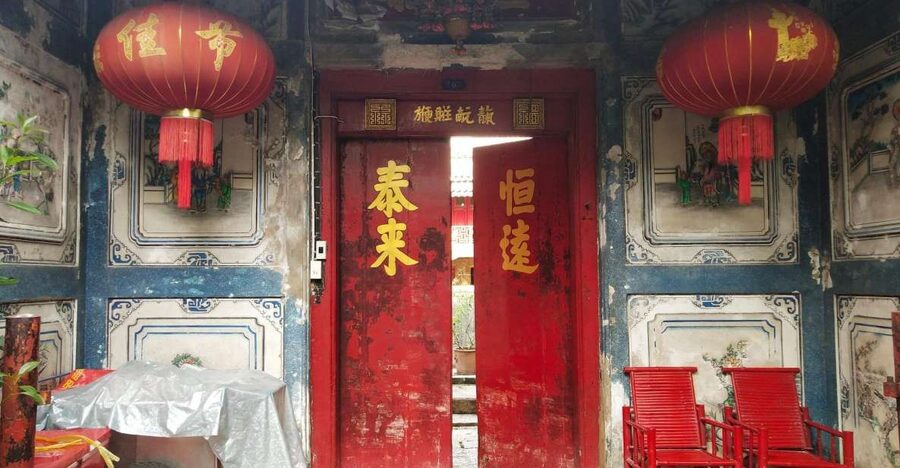
The walk turns into a rhythm of narrow alleys, small storefronts, and worship spaces that feel woven into daily life. You’ll visit historic temples and shrines, including spots where incense is burning and gold-colored details catch the light. These aren’t just “pretty stops.” The guide explains what people are doing there and why those customs have survived over generations.
Here’s what I think is most valuable about this part: you get context for what you’re seeing. In Chinatown, there can be a lot of visual noise—signs, candles, smoke, decorations. Without guidance, it can feel like you’re walking through a theme park. With a guide, you learn to read it as lived culture.
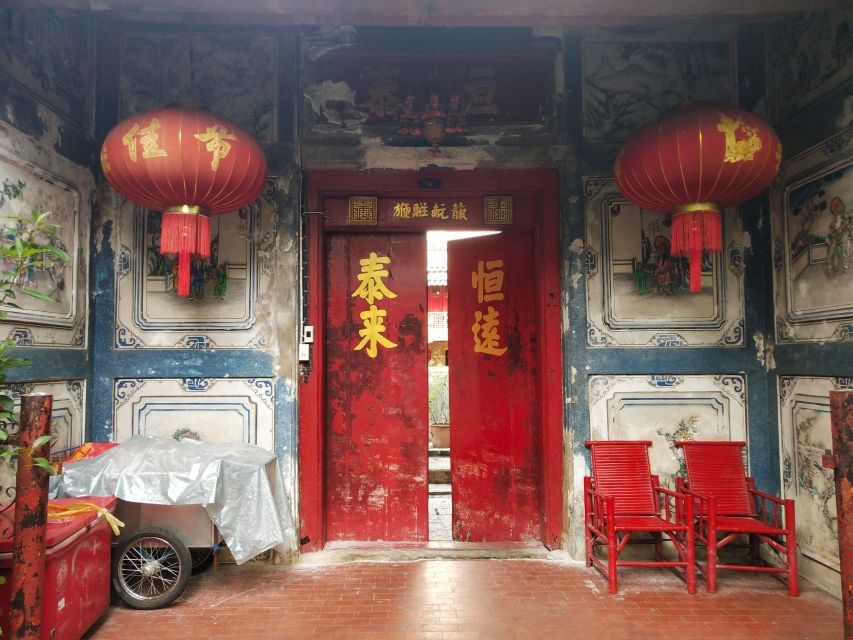
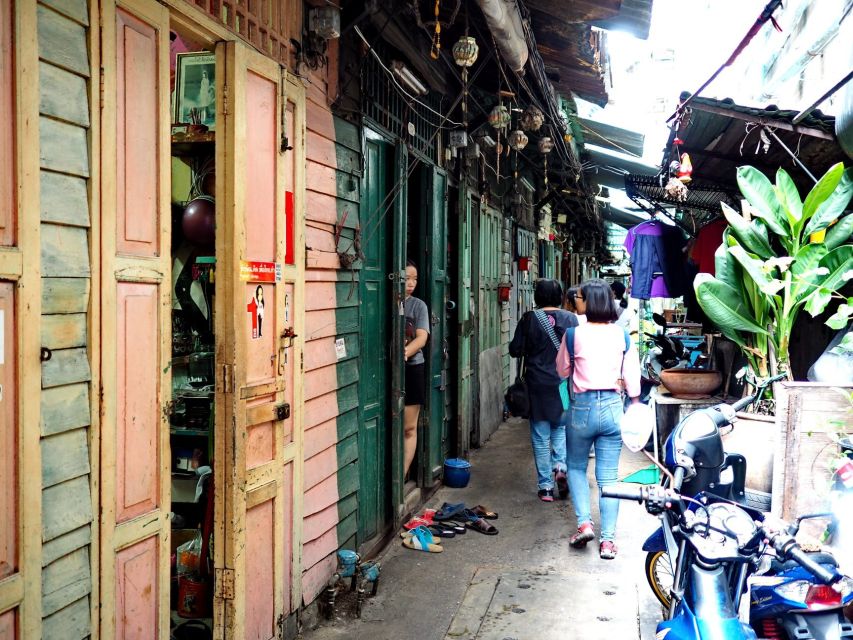
You’ll also spend time admiring old Chinese-Thai shophouse architecture—the kind of buildings that look like they’ve been repurposed a dozen times, because they have. Pay attention to the front facades, the narrow frontage, and the way these buildings keep their place as business and home. Even if you’re not an architecture person, the guide’s explanations help you see how the district’s physical shape supports the community’s routines.
Practical note: you’ll be on foot for the best part of the day, so wear shoes you can keep on when the streets turn from smooth sidewalk to uneven lane.
Talad Noi: the oldest Chinese-Thai community you can feel on the street
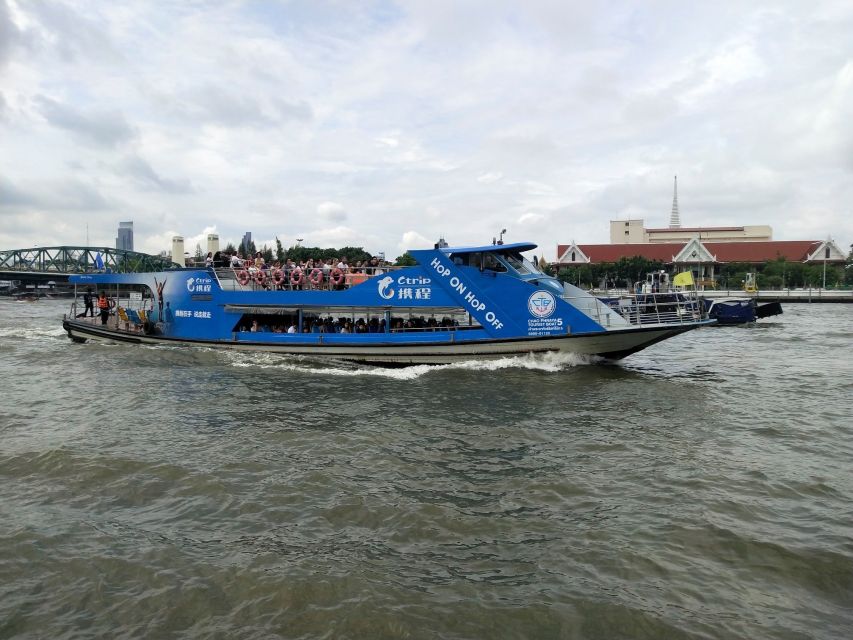
Talad Noi is where Chinatown history stops being a concept and starts being a sensation. This is the oldest Chinese-Thai community in Bangkok, and the tour steers you there with a reason: the area’s identity was shaped by the early settlers who made homes along the Chao Phraya River.
That Chao Phraya link matters. It helps explain why certain foods, customs, and community spaces show up in this part of town. You’re not just collecting facts—you’re seeing how geography influenced people, and how people influenced the street-level culture you’re walking through now.
In Talad Noi, the pace feels more intimate. You spend time in the kind of side streets and community areas that most visitors miss when they stay glued to main roads. The guide also points out hidden temple areas and neighborhood spaces, the sort of places you’d be unlikely to find without local knowledge.
If you like wandering with direction—where you’re free to look, but not free to get lost—this is the right zone.
Market walk: herbal remedies, trinkets, and things you’ll want to ask about
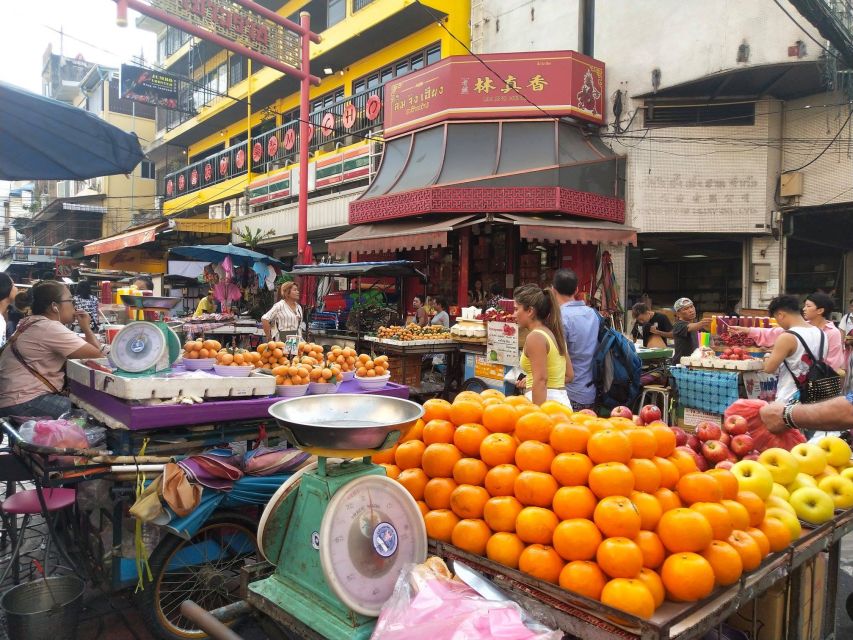
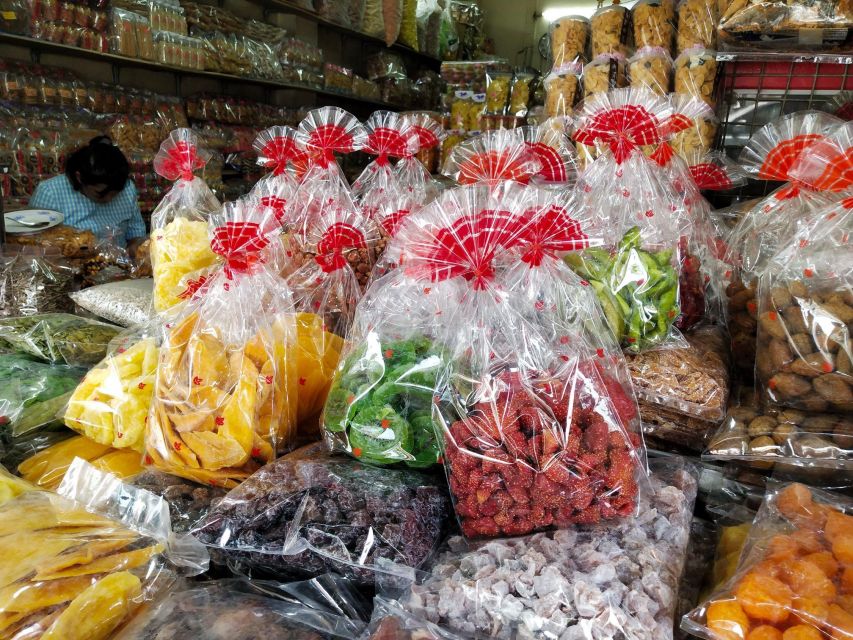
Markets are a big piece of the Chinatown experience here. You’ll walk through lively market areas where you can find everything from herbal remedies to colorful trinkets. This is one of those sections where your guide acts like a translator.
Instead of you just watching people buy things, you learn what some of these items are used for and how the market fits into daily life. Even if you don’t plan to shop, it’s still worth it. The market stops give you a sensory layer: the smells, the packaging, the pacing, the little interactions between shopkeepers and customers.
Two tips I’d follow if you want the best experience:
- Don’t rush past stalls just because you’re hungry. The guide usually times things so tastings and stories land in a satisfying order.
- If something looks important—especially related to health or tradition—ask. The tour is designed for Q&A in real time.
Also, shopping isn’t the point. Personal shopping or souvenirs aren’t included, so treat this as window-shopping with context. If you do buy something, you’ll be paying out of pocket.
Bangkok at walking pace, more routes
Thai-Chinese street food tastings: crispy pork belly, dumplings, and herbal tea
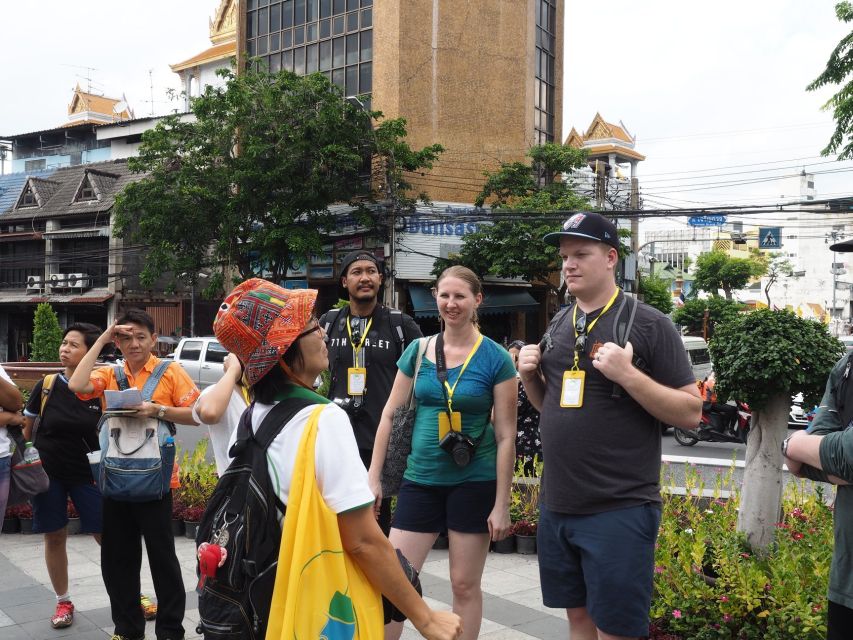
This is where the tour turns from “culture walk” into “I’m going to remember this taste.” Included tastings cover Thai-Chinese street-food favorites, including crispy pork belly, handmade dumplings, and herbal teas.
I like tastings on walking tours when they do two things: they feed you and they explain why you’re eating that specific thing. Here, the food is connected to cultural fusion—the Chinese influence on Thai food traditions, shown through ingredients, techniques, and the everyday way people eat.
You also get the best kind of street-food advantage: you’re not guessing which stall to trust. Your guide brings you to the right places and keeps the flow moving so you can taste multiple items without turning the afternoon into a snack buffet.
Dietary restrictions and allergies: the guidance is clear that you should let the operator know in advance. If you have allergies, don’t wing it. Send the info early so the tastings are arranged with you in mind.
One more detail from real tour experiences: some people have enjoyed extra hands-on moments like making or trying dishes such as papaya salad with the guide. That isn’t guaranteed from the basic description, but it matches the general pattern: the better the guide at reading the group, the more chances you get to participate, not just observe.
Small group energy: guides like Sunee, JoJo, and Ms. Kaew make it personal
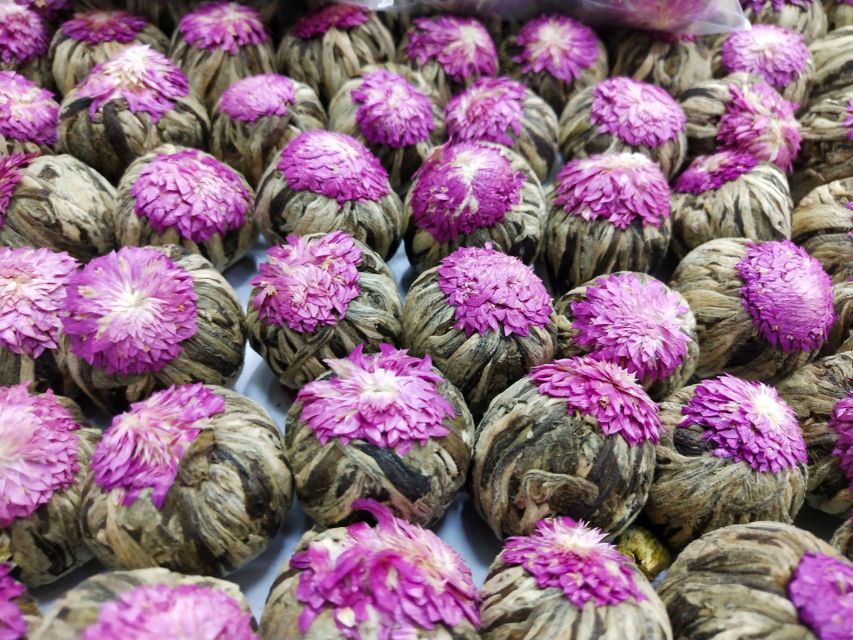
The tour stays intentionally small. That changes everything. In a bigger group, you end up following footsteps and hoping you catch the explanation. In a small group, you can pause, ask, and get answers that actually fit your curiosity.
This shows up strongly in guide feedback. People describe guides such as Sunee as flexible—customizing the tour to tastes—and JoJo as super knowledgeable and friendly, even fun. Others highlight Ms. Kaew and Khun Kaew for detailed, clear explanations at each stop, plus patience.
I also like the way some guides adapt on the fly. One person even noted that when they were late, the guide still worked to make sure they could see everything. That’s a sign of an operation that thinks about the experience, not just the schedule.
If you’re traveling solo, small-group tours can feel especially good because you’re not stuck as an extra in someone else’s day. You can ask more, linger more, and talk more.
Price and value: what $75 buys you in Chinatown
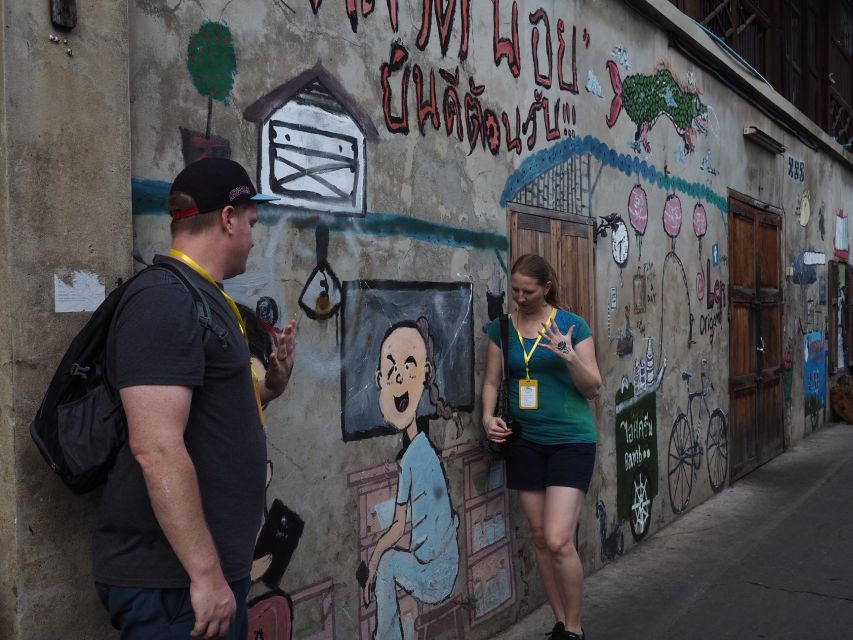
At $75 per person, you’re paying for more than walking directions. You’re paying for a local expert, cultural interpretation, specific temple and shrine visits, market time, and included food tastings like dumplings and crispy pork belly.
Here’s how I’d judge value:
- If you’re the type who likes learning while walking, the guide time is the main value. The tour leans on stories and context, not just “see that building.”
- The tastings matter. Street food in Chinatown isn’t hard to find, but it’s hard to pick confidently. Having tastings built into the route saves you time and guesswork.
- The small-group structure reduces the usual friction of “I can’t hear the guide” or “we’re moving too fast.”
One caution for value-hunters: transportation to and from the meeting point isn’t included. You’ll need your own way to get to MRT Wat Mangkon Station. That’s normal, but it affects your true all-in cost.
Practical tips so your walk feels easy, not stressful
A few logistics points will make your day smoother.
Wear comfortable shoes. The tour isn’t described as wheelchair-friendly, and it’s very much a walking experience.
Bring an umbrella or raincoat. The tour runs in rain or shine. In Thailand, sudden showers are common, so prepare like you expect the weather to change its mind.
Travel light. Luggage or large bags aren’t allowed. If you’re carrying a backpack, keep it manageable.
Arrive early. You’re asked to arrive 10 minutes before the tour begins at the MRT exit meeting point.
Plan around food and allergies. You can request adjustments by letting the operator know in advance.
Language support is practical: English and German.
Should you book this Chinatown Local Life, Culture & Food Walk?
If you want Chinatown as more than a photo stop, I think this tour is a solid pick. You’re getting a guided route that connects Odeon Circle, temples and shrines with incense and gold details, old shophouse architecture, and Talad Noi’s Chinese-Thai community story. Then you finish with Thai-Chinese street-food tastings—dumplings, crispy pork belly, and herbal tea—so your experience sticks in your head and your stomach.
I’d skip it if you don’t like walking, can’t handle uneven lanes and crowd flow, or need a wheelchair-accessible format.
If you do book, I’d show up with comfortable shoes, a small curiosity list (something you want to understand about Chinatown culture), and an open appetite. This is the kind of tour where the guide turns a complicated neighborhood into a set of answers you can walk away with.
FAQ
Where is the meeting point for the Chinatown walking tour?
The start is at MRT Wat Mangkon Station exit 1, at the Plaeng Nam intersection (address: 3 Plaeng Nam Rd, Khwaeng Samphanthawong, Khet Samphanthawong, Krung Thep Maha Nakhon 10100, Thailand). The tour ends back at the meeting point.
Is the tour wheelchair accessible?
No. The tour is listed as not suitable for wheelchair users.
What should I bring?
Bring comfortable shoes. The tour runs rain or shine, so also bring an umbrella or raincoat if needed.
Does the tour run in bad weather?
Yes. It runs in rain or shine, so rain protection is recommended.
Are food and drinks included, and can the tour handle allergies?
You’ll have Thai-Chinese street-food tastings as part of the tour. Additional food or drinks beyond the tastings aren’t included. If you have dietary restrictions or allergies, let the operator know in advance.
What languages are available for the guide?
The tour is available in English and German.
What happens if I cancel?
You can cancel up to 24 hours in advance for a full refund.
More Tours in Bangkok

More Tour Reviews in Bangkok



Deeper Into Yaowarat
Just In: Fresh Bangkok Reviews


Chinatown Tours, compared.
 ★ 4.9Bangkok Authentic Tasting Thai-Chinatown Walking Food TourFrom $43852 reviews
 ★ 4.3Tuk Tuk Adventure Chinatown Michelin Food & TemplesFrom $18725 reviews
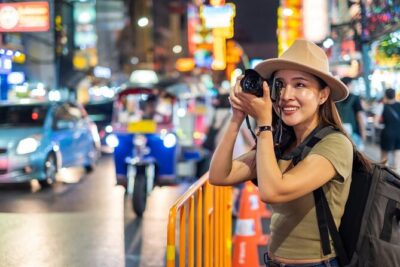 ★ 5.0Bangkok Tuk-Tuk Tour by Night with Chinatown Street Food MealFrom $40635 reviews
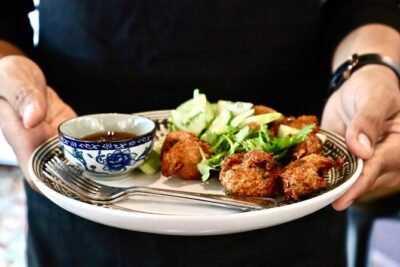 ★ 5.0Bangkok by Night Food Tour with 10+ Tastings in ChinatownFrom $46545 reviews
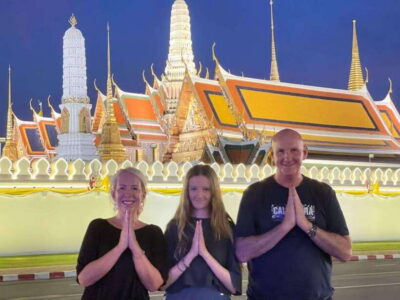 ★ 4.6Bangkok Tuk-Tuk by Night with Chinatown Street Food MealFrom $40263 reviews
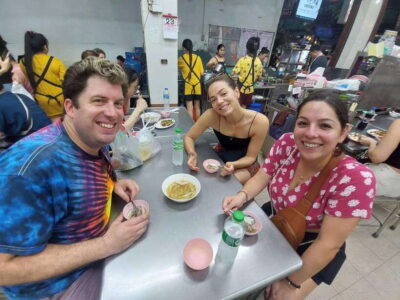 ★ 4.8Chinatown Food Tour with Michelin Food StallsFrom $36226 reviews
 ★ 5.0Bangkok Night Michelin Foodie Tour in Chinatown with 15+ tastingsFrom $56189 reviews
 ★ 5.0Night Street Food Tour of Bangkok’s ChinatownFrom $58173 reviews
Browse the lists this tour appears in